traditionknittingestonia
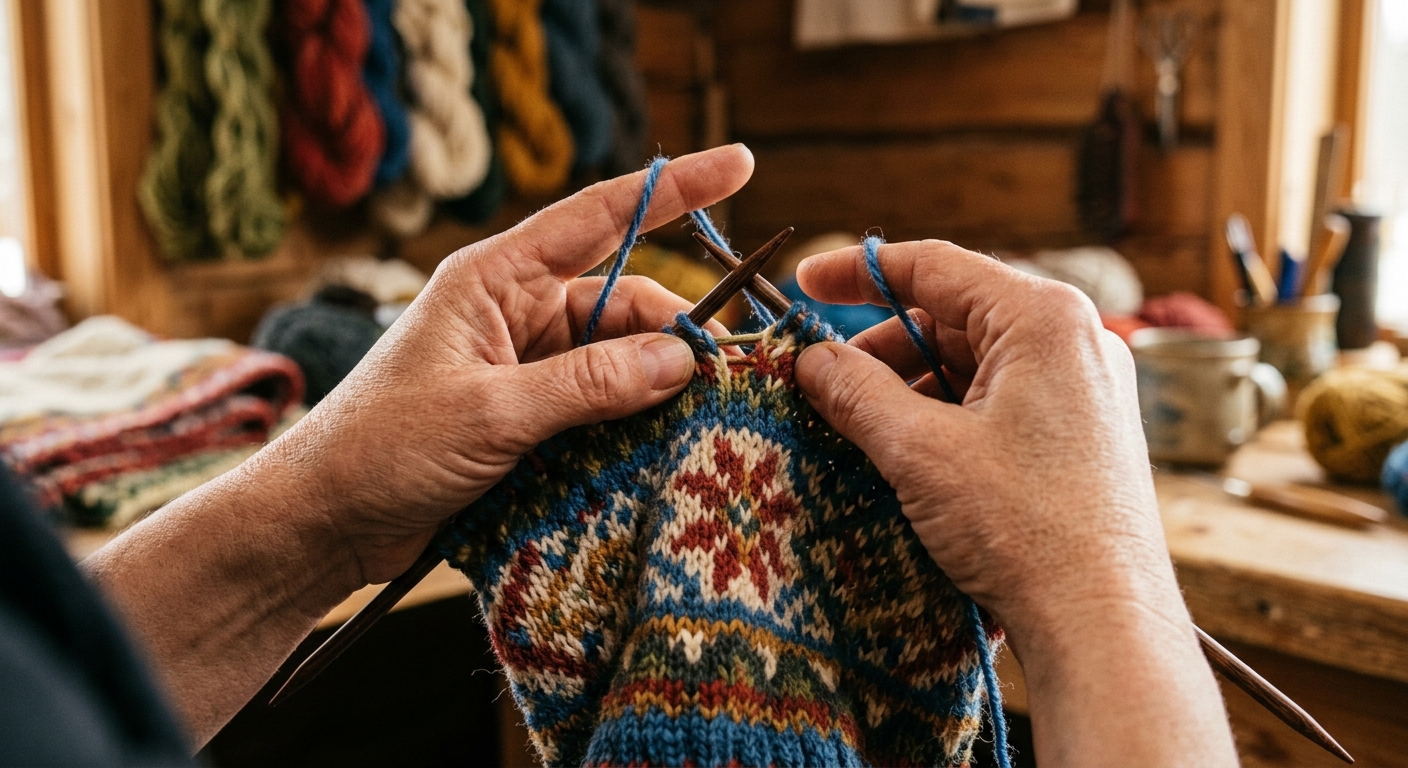
The Art of Estonian Hand Knitting: A Tradition Worth Preserving
Discover the rich history of Estonian hand knitting, from ancient patterns to modern interpretations of this beloved craft.
Read More→
Yes, mittens are warmer than gloves, and by a noticeable margin. When your fingers sit together in one pocket, they share heat instead of each fighting the cold alone. A mitten also has less surface area losing warmth to the air and fewer seams for wind to find. Gloves made from the same material will almost always feel colder on a freezing day. The trade-off is dexterity, which is why the best answer for many people is not one or the other, but knowing when to reach for each. Here on the north coast of Estonia, where the wind comes straight off the Gulf of Finland, that choice matters from November to March.
Your hands lose heat quickly. Fingers are thin, with a lot of skin relative to their volume, and when you get cold your body reduces blood flow to them first. Anything that cuts heat loss from the fingers makes a real difference to comfort.
Mittens help in three ways:
You can test this yourself on a cold morning. Wear a glove on one hand and a mitten of similar thickness on the other for a ten-minute walk, and the difference is obvious long before you get home. Mittens also let you curl your fingers into a fist inside when the weather turns truly bitter, something no glove allows.
Mittens are not the right tool for every job. Gloves win when you need your fingers to work independently:
A useful rule: the colder it is and the less you need to do with your hands, the more mittens make sense. For standing at a bus stop, walking the dog, watching children sledge or taking a long winter walk along the coast, mittens are the better choice. For short, active tasks in milder weather, gloves are easier to live with.
Many people in the Nordic countries simply own both, and some wear a thin glove underneath a mitten. Pull the mitten off for a fiddly task, and your fingers are still covered.
The shape of a mitten matters, but the material matters just as much. A mitten made from thin acrylic will lose to a good wool glove on a windy day. Here is what each natural fibre brings:
Traditional wool is the workhorse of northern mittens. It is dense, hard-wearing and keeps a surprising amount of warmth even when it gets damp from snow, because wool fibres can take up moisture without feeling wet to the touch. A tightly knitted wool mitten also blocks a lot of wind on its own.
Merino wool has much finer fibres, so it feels soft against the skin with little or no itch. It is a good choice for people who find ordinary wool scratchy, and for children's mittens. It is a little less hard-wearing at the palm and thumb, where mittens take the most rubbing.
Alpaca is very warm for its weight and silky to the touch. Alpaca mittens feel light but trap heat well, which makes them a lovely option for everyday city wear and for anyone whose hands feel the cold easily.
Synthetic mittens can be cheap and quick to dry, but they tend to feel clammy once your hands start to sweat, and they lose their loft over a season. If you want to understand why natural fibre beats synthetics for warmth, we compare them in detail in [Wool vs Synthetic Clothing: Which One Actually Keeps You Warmer?](https://www.vainowear.com/en/blog/wool-vs-synthetic-clothing-which-is-warmer)
A warm fibre can still make a cold mitten if the fit is wrong. When choosing wool mittens, look at these details:
Room at the fingertips. You want roughly a finger's width of space beyond your longest finger. That small gap holds warm air. Mittens stretched tight across the fingertips compress the knit and let the cold through.
A snug, not tight, hand. Too loose and warm air pumps out every time you move. Too tight and circulation suffers, which makes hands colder, not warmer.
A long cuff. The wrist is where many mittens fail. Blood vessels run close to the surface there, and a gap between sleeve and mitten lets snow and wind straight in. A ribbed cuff that tucks under or over your coat sleeve makes a real difference.
Knit density. Hold the mitten up to the light. A tight, even knit with little light shining through blocks wind far better than a loose, open one. Good hand-knitted mittens are usually worked on small needles with firm tension for exactly this reason.
A thumb that sits right. The thumb opening should line up with where your thumb naturally rests. If it is placed too high or too low, the mitten pulls tight across the palm whenever you grip something, squeezing out warm air.
Double thickness where it counts. Many traditional northern mittens are knitted with two colours in patterned bands. Carrying two strands of yarn across the back of the work creates a thicker, denser fabric, which is a large part of why patterned mittens are so warm.
In Estonian, the word "kindad" covers both gloves and mittens. To be precise, people say "sõrmkindad" for gloves with fingers and "labakindad" for mittens. Both have been knitted here for centuries, but labakindad have always been the practical choice for real cold.
A few habits are worth borrowing, wherever you live:
Mittens also carry a lot of meaning here. Patterned mittens were traditionally part of a bride's dowry and were given as gifts at weddings, and many regions developed their own recognisable motifs. If you are curious about that history, read our story on [traditional Estonian knitting patterns from Haapsalu and Kihnu](https://www.vainowear.com/en/blog/traditional-estonian-knitting-patterns-haapsalu-kihnu).
Because sizing is forgiving and nearly everyone gets cold hands, mittens are one of the easiest handmade gifts to get right. A few tips:
So, are mittens warmer than gloves? Yes. Fingers that share one space stay warmer, and a well-fitted, tightly knitted wool mitten with a long cuff will outperform almost any glove on a truly cold day. Keep gloves for tasks that need nimble fingers, and reach for mittens whenever warmth comes first.
At Vaino Wear, our mittens are knitted by hand in Loksa, on the north coast of Estonia, from natural wool, merino and alpaca. They are made for the same winters we live through ourselves. [Browse our handmade mittens, hats and winter knitwear](https://www.vainowear.com/en/products) and find a pair that will keep your hands warm for many seasons to come.
Discover the rich history of Estonian hand knitting, from ancient patterns to modern interpretations of this beloved craft.
Read More→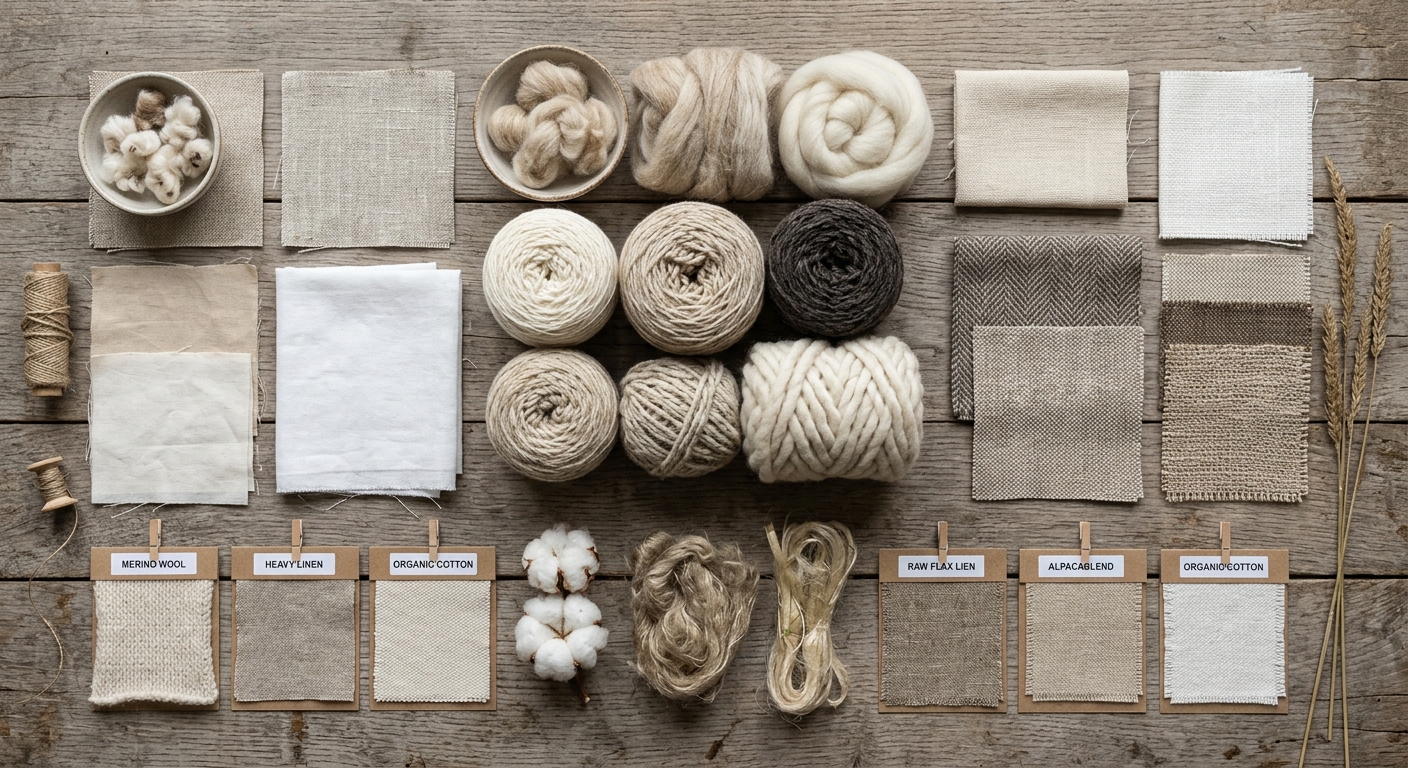
A complete guide to the natural fibers we use at Vaino Wear — their properties, benefits, and best uses.
Read More→