traditionknittingestonia
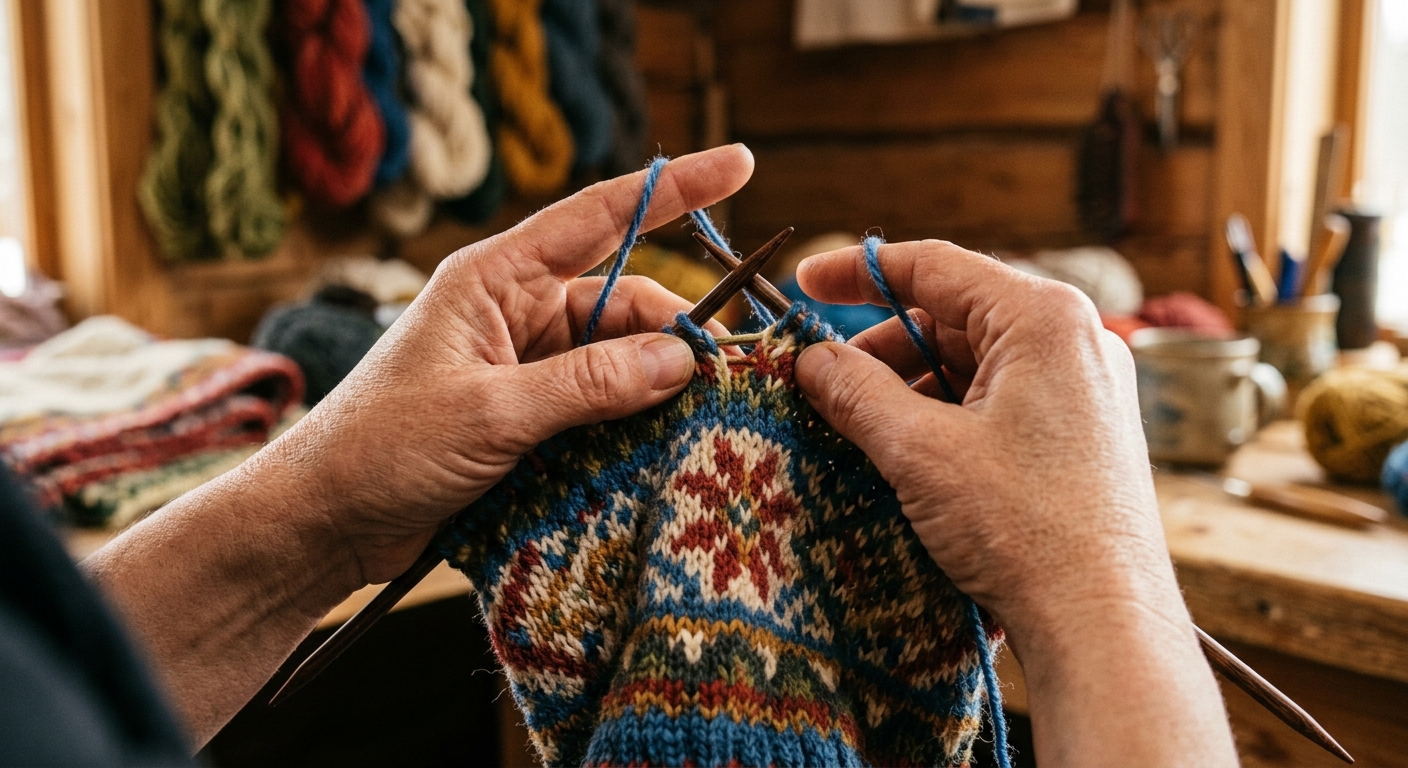
The Art of Estonian Hand Knitting: A Tradition Worth Preserving
Discover the rich history of Estonian hand knitting, from ancient patterns to modern interpretations of this beloved craft.
Read More→
Buying a gift that gets used is harder than it sounds. We've all given something that looked wonderful in the shop and ended up folded in a drawer six months later. Hand knitted gifts have a reputation problem for exactly this reason: too many of them are chosen for how they look on a shelf, not for how they feel on a body in daily life.
The good news is that a hand knitted gift, chosen well, is one of the few presents that actually gets better with time. A well-made wool sweater softens with wear, a pair of hand knitted mittens becomes someone's go-to for the school run, and a pair of wool socks quietly becomes the thing they reach for every single morning. This guide is about choosing that kind of gift, not the kind that just looks nice wrapped.
In a world of same-day delivery and fast fashion, a hand knitted gift stands out simply because it took time. Someone sat down, chose a yarn, and worked stitch by stitch until a garment existed that hadn't existed before. That process is part of the gift. It's why a handmade sweater or a pair of hand knitted mittens carries a different weight than something pulled off a rack.
There's also a practical argument. Natural wool fibers like merino and alpaca regulate temperature, resist odor, and hold their shape for years when cared for properly. A cheap synthetic sweater pills and loses its shape within a season. A well-made wool piece is still doing its job a decade later. When you give a hand knitted gift, you're not just giving a nice object, you're giving something with a genuinely long useful life, which is exactly what makes it feel meaningful rather than disposable.
Not every handmade item earns a permanent spot in someone's wardrobe. A few things separate the gifts that get worn from the ones that get admired once and set aside.
Some recipients are easier to shop for than others. Here's how the classic categories of hand knitted gifts tend to land.
Fiber choice matters more for gifting than for almost any other wool purchase, because the recipient can't try it on first.
Merino wool is the safest all-purpose choice. It's fine, breathable, and far less itchy than standard wool, which makes it a good option for people who claim they "don't wear wool." It works well for sweaters, hats, and everyday layers.
Alpaca wool is the upgrade pick. It's warmer than merino for its weight, naturally hypoallergenic since it contains no lanolin, and has a noticeably plush hand-feel that reads as luxurious the moment someone touches it. It's an excellent choice for a gift meant to feel like a genuine treat.
A merino-alpaca blend gives you both: the everyday practicality of merino with the softness and warmth of alpaca. If you're choosing one piece to cover most gifting occasions, a blend is hard to beat.
Presentation and context turn a good gift into a memorable one.
Part of giving a good hand knitted gift is making sure the recipient knows how to keep it in great shape. A quick wash in cool water on a wool cycle, laid flat to dry, is usually all it takes. Avoid the tumble dryer and harsh detergents, and a well-made wool sweater or pair of mittens will easily outlast most other gifts you could have chosen.
At the end of the day, a hand knitted gift works because it's built to actually be lived in, not just unwrapped. When you choose the right fit, the right fiber, and the right recipient, you're giving something that gets reached for on a cold morning years from now, not something that gets quietly donated after the holidays.
If you're looking for handmade Estonian sweaters, mittens, hats, and socks made from merino and alpaca wool, browse Vaino Wear's collection to find a piece worth giving, and keeping.
Discover the rich history of Estonian hand knitting, from ancient patterns to modern interpretations of this beloved craft.
Read More→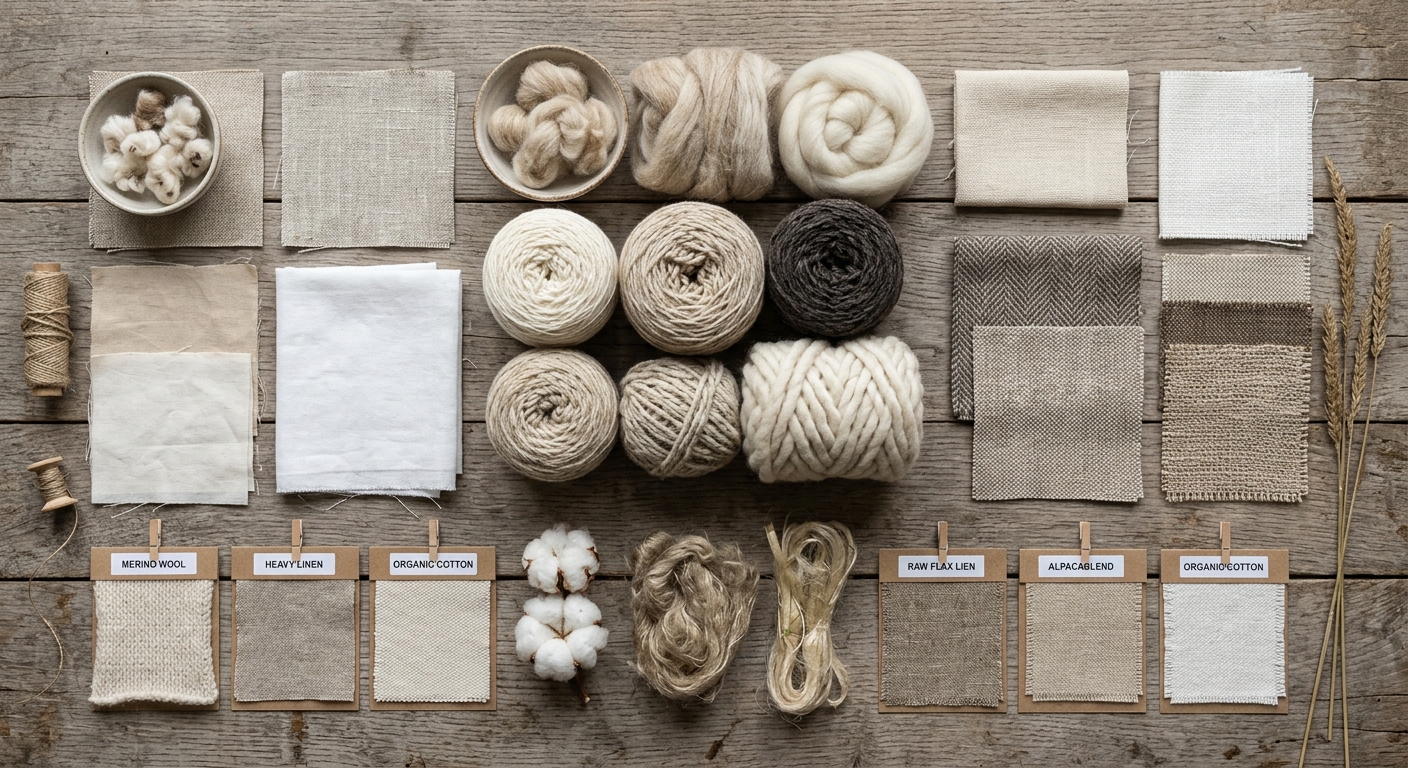
A complete guide to the natural fibers we use at Vaino Wear — their properties, benefits, and best uses.
Read More→