traditionknittingestonia
The Art of Estonian Hand Knitting: A Tradition Worth Preserving
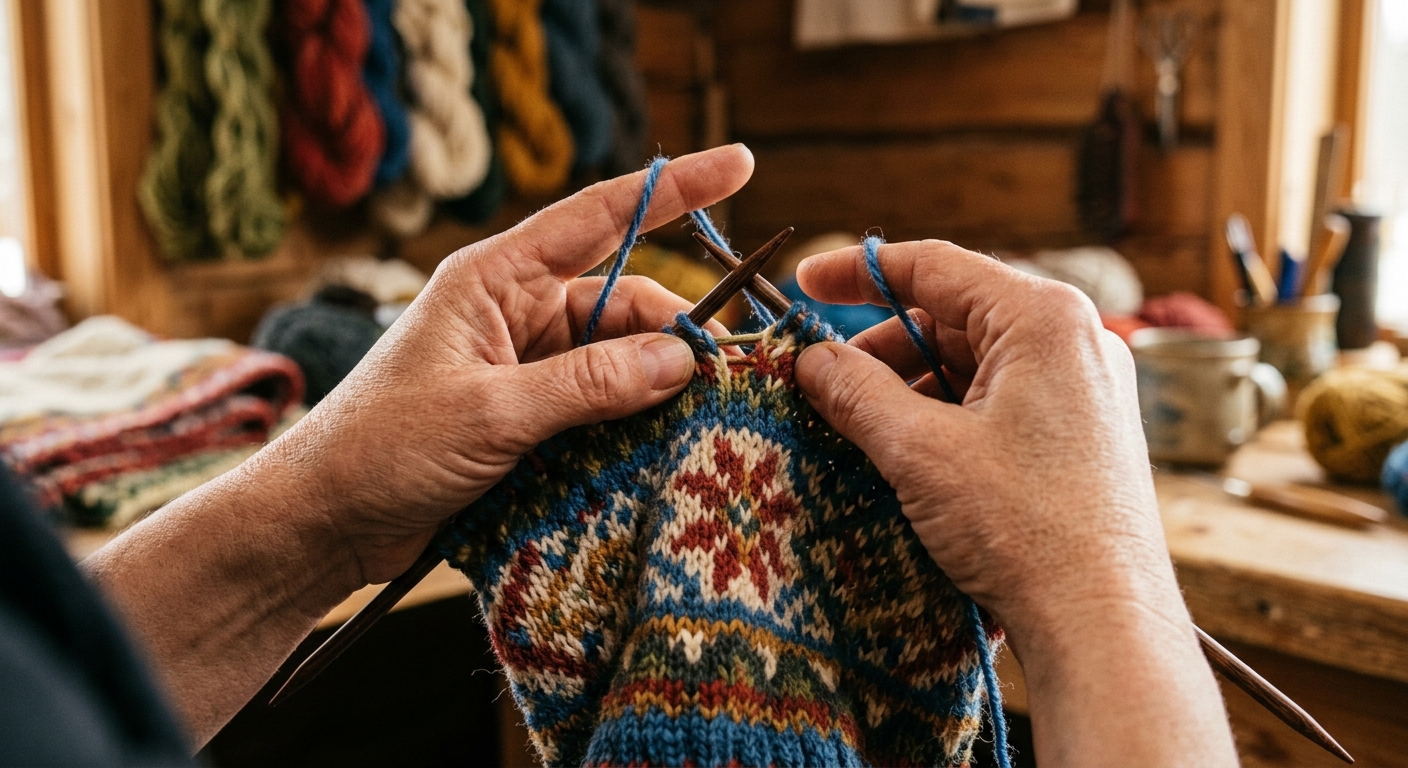
Discover the rich history of Estonian hand knitting, from ancient patterns to modern interpretations of this beloved craft.
Read More→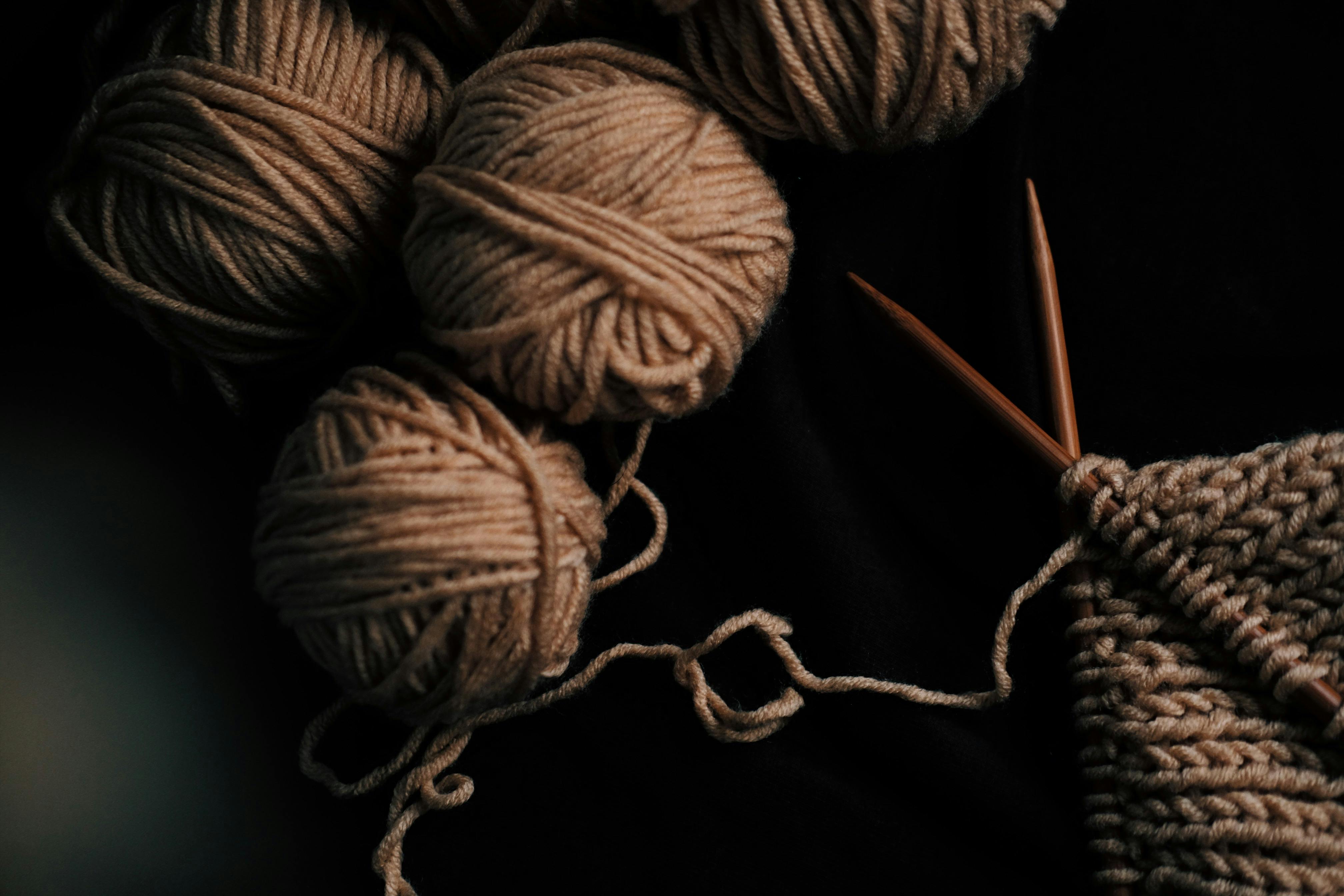
When you hold a handmade wool sweater, you can feel the difference before you even put it on. The stitches are even but not mechanically identical. The yarn has a depth that comes from natural fiber. The weight sits in your hands like something made with intention. That feeling is not nostalgia. It is quality you can measure.
Mass-produced clothing now accounts for over 92 million tonnes of textile waste each year. Against that backdrop, the choice to buy handmade clothing is not just aesthetic. It is practical, environmental, and personal all at once. Here are seven genuine handmade clothing benefits that explain why artisan knitwear is worth the investment.
Every garment made by hand is the result of hundreds of individual decisions. A skilled knitter adjusts tension, notices imperfections in the yarn, and adapts to the specific material they are working with. Industrial knitting machines cannot do this.
At Vaino Wear, each sweater, mitten, and hat is knitted by hand in Loksa, Estonia. The knitters working there have spent years developing the kind of muscle memory that produces consistent, beautiful results, with the flexibility to create pieces that machines simply cannot replicate. You are not buying a product that rolled off a factory line. You are buying the focused work of a person who cares.
Handmade knitwear is almost always made from natural fibers: wool, merino, alpaca. These materials respond well to hand-knitting techniques and produce garments with exceptional warmth-to-weight ratios.
Merino wool is temperature-regulating, moisture-wicking, and naturally antimicrobial. Alpaca fiber is hypoallergenic, softer than most wool, and warmer per gram than cashmere. Neither releases microplastics when washed. Both biodegrade at the end of their very long lives.
Synthetic fabrics used in fast fashion shed microplastics with every wash. Research suggests a single synthetic garment can release up to 700,000 microplastic fibers per wash cycle. Choosing natural-fiber handmade clothing sidesteps this problem entirely.
The average fast-fashion item is worn seven times before it is discarded. A well-made wool sweater, properly cared for, can last decades.
This is one of the most overlooked handmade clothing benefits: the cost-per-wear math works in your favor over time. A handmade merino sweater that lasts fifteen years at the same price as five fast-fashion sweaters that each last three is not a luxury purchase. It is the economical one.
Wool is naturally elastic, which means it holds its shape. Hand-knitted construction has no weak machine seams prone to fraying. With simple care, hand washing in cool water and drying flat, handmade knitwear holds its structure and color season after season.
Estonian knitting has a documented history stretching back centuries. The geometric patterns, color combinations, and construction techniques used in traditional Estonian knitwear are not decorative choices pulled from a trend deck. They are a living craft tradition passed between generations.
When you wear a handmade Estonian sweater or a pair of hand-knitted mittens with traditional patterns, you are wearing something with cultural depth. No algorithm generated those patterns. No trend report approved them. They exist because they work, aesthetically and practically, and because skilled knitters in places like Loksa have kept them alive.
Slow fashion is not a marketing category. It is a production philosophy. Small-batch handmade clothing brands produce what is needed, not what might sell. There is no overproduction, no end-of-season surplus destined for landfill.
Vaino Wear operates on exactly this principle. Pieces are made in small quantities in Estonia, using natural fibers sourced with attention to their origins. The supply chain is short and transparent. The people making the clothing are paid fairly and work in their own community.
Compare that to the average fast-fashion supply chain, which can involve raw material sourcing on one continent, spinning on another, dyeing on another, and final assembly somewhere else, with enormous carbon and water costs at each step. The handmade model is simply cleaner.
When you buy handmade, the money goes directly to the people who made the thing. This sounds obvious, but it is increasingly rare. In the standard retail model, a garment that retails for 80 euros might pay its maker less than one euro.
Buying from small artisan brands like Vaino Wear puts a meaningful share of each sale into the hands of the people actually doing the work, knitters in Estonia who have developed a rare skill and deserve to be paid for it. It supports local economies, preserves craft traditions, and creates a direct relationship between maker and buyer that fast fashion has completely severed.
The fashion industry runs on manufactured seasonality. New collections arrive every few weeks, and last season's purchase becomes this season's throwaway. Handmade knitwear operates outside this cycle.
A hand-knitted wool sweater is not a seasonal purchase. It is a year-round companion, layered over a shirt in spring, worn as an outer layer in autumn, essential through winter, and still relevant next year when trends have moved on. The same applies to handmade wool socks, mittens, and hats. These are not fashion items. They are functional, durable objects that happen to be beautiful.
The handmade clothing benefits outlined here are not abstract. They are practical, measurable, and relevant to anyone thinking carefully about what they wear and where it comes from. Quality, longevity, environmental honesty, cultural depth: these are things that matter, and they are things that handmade clothing actually delivers.
If you are looking for handmade knitwear made with genuine skill and natural materials, browse merino wool sweaters, alpaca hats, hand-knitted socks and mittens at the full Vaino Wear collection. Each piece is made by hand in Loksa, Estonia, and built to be worn for years.
Discover the rich history of Estonian hand knitting, from ancient patterns to modern interpretations of this beloved craft.
Read More→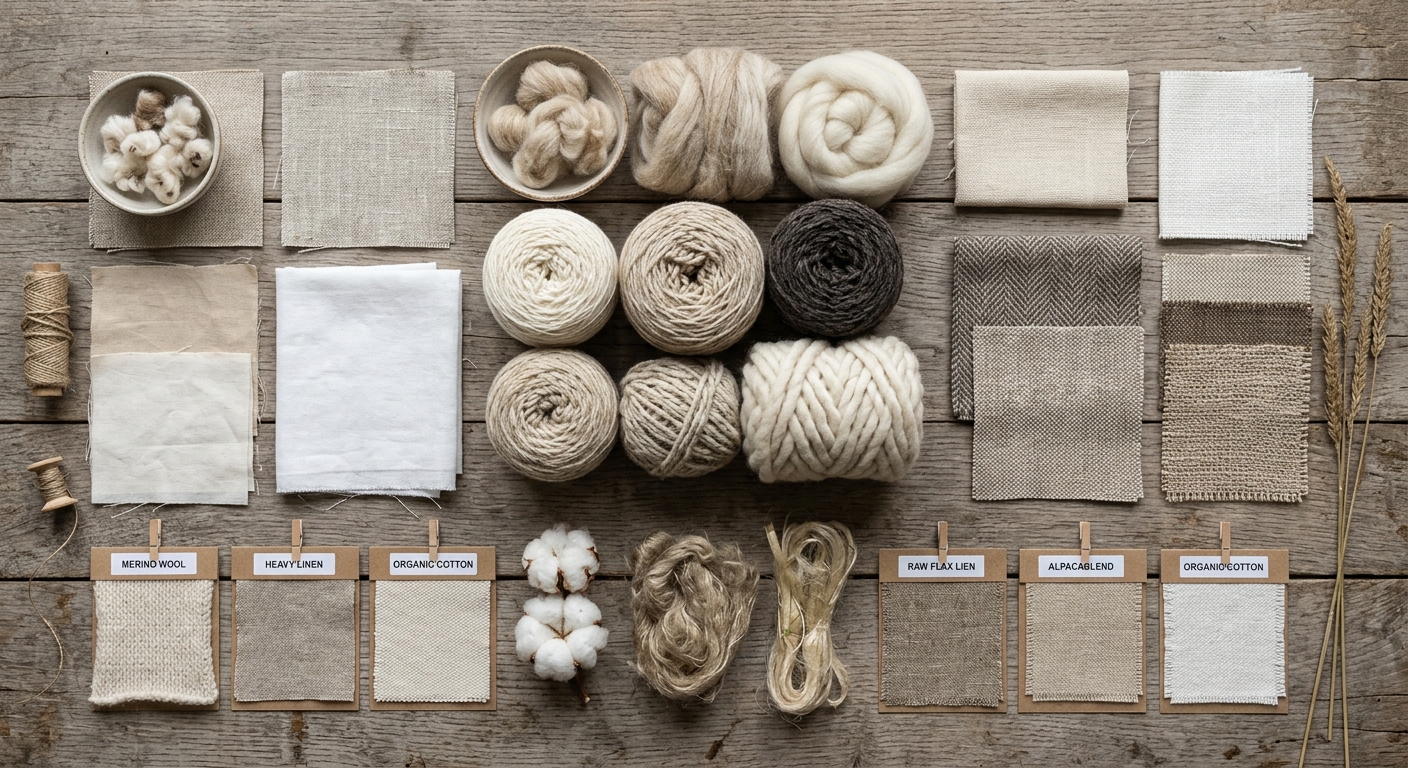
A complete guide to the natural fibers we use at Vaino Wear — their properties, benefits, and best uses.
Read More→