traditionknittingestonia
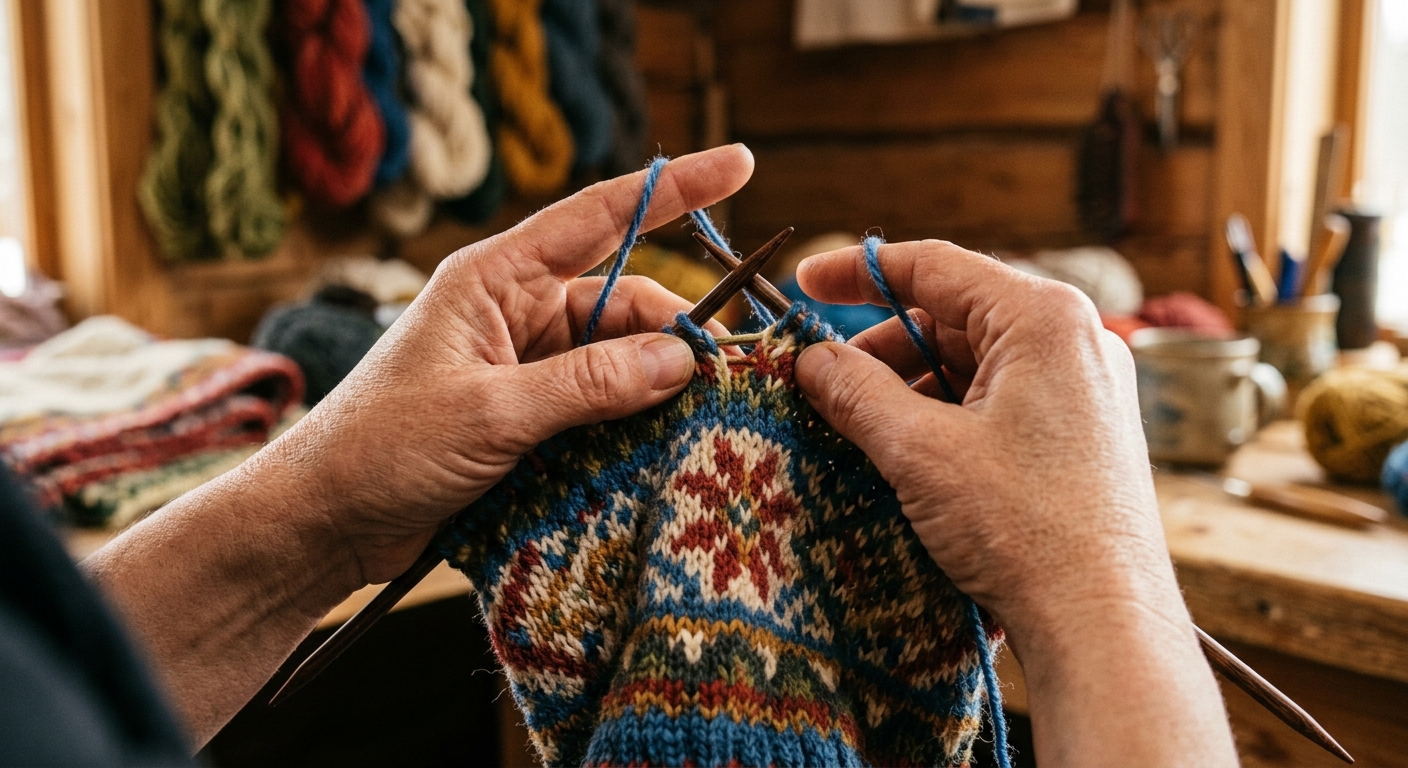
The Art of Estonian Hand Knitting: A Tradition Worth Preserving
Discover the rich history of Estonian hand knitting, from ancient patterns to modern interpretations of this beloved craft.
Read More→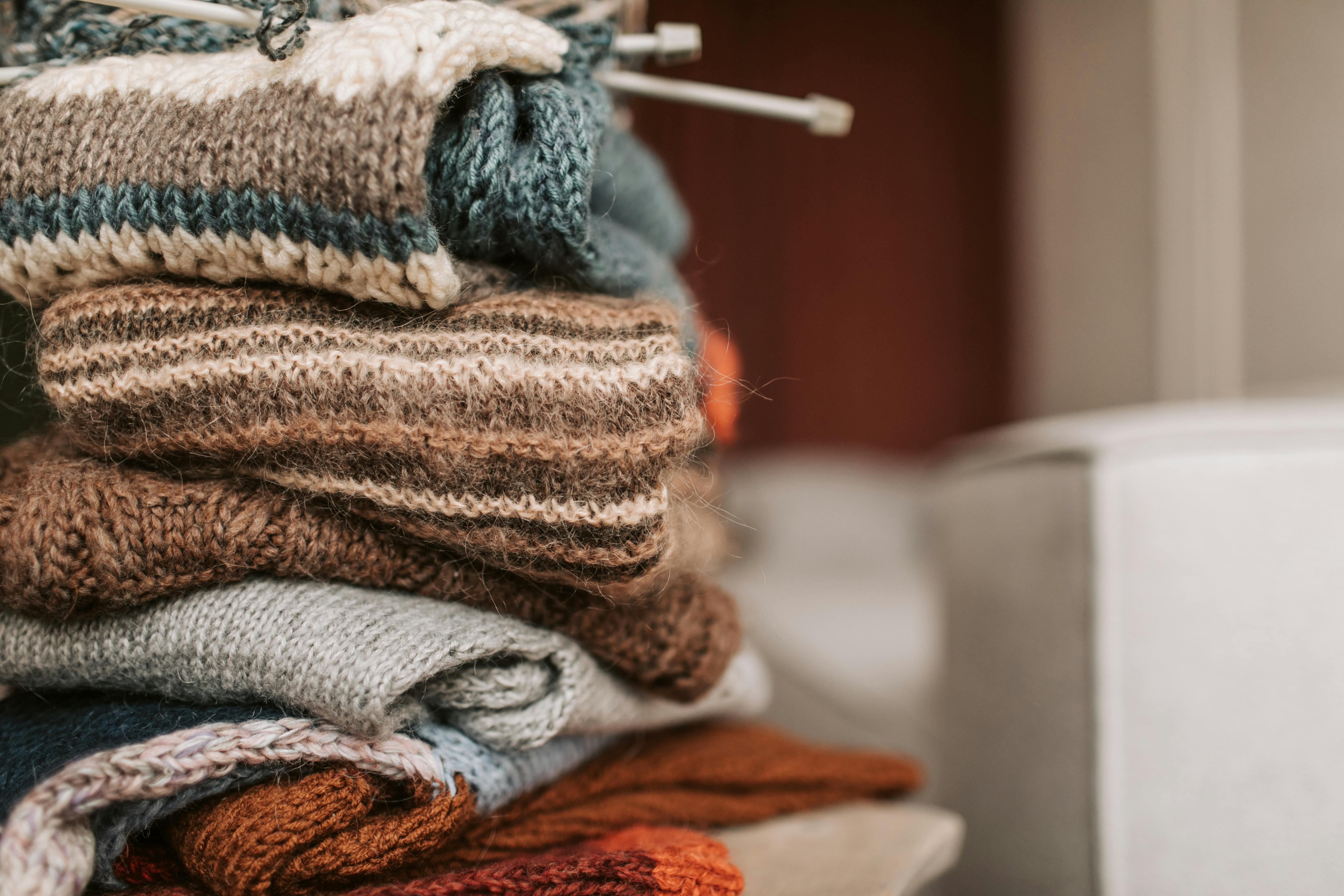
A well-made wool sweater can outlast almost anything else in your closet, but only if you treat the fiber the way it deserves. Wool is not cotton and it is not synthetic fleece. It is a living-feeling material with its own quirks, and once you understand a handful of simple rules, caring for it stops feeling like a chore and starts feeling like second nature.
Whether you own a chunky Nordic pullover, a pair of hand-knit mittens, or a fine merino base layer, the same core principles apply. Here is everything you need to know about washing, drying, storing, and repairing wool so your favorite pieces stay soft, warm, and shapely for decades rather than seasons.
Wool fibers are covered in microscopic scales, similar to the way hair works, and they have a natural crimp that gives knitwear its elasticity and loft. That same structure is what makes wool warm even when damp, naturally odor-resistant, and slow to wrinkle. It is also why wool needs gentler handling than cotton or polyester: heat, agitation, and harsh detergent can cause those scales to lock together permanently, a process better known as felting or shrinking.
The good news is that wool is also naturally self-cleaning to a surprising degree. Lanolin, the natural wax still present in minimally processed wool, repels dirt and liquids, and the fiber's structure resists odor far better than synthetic alternatives. A hand-knit merino wool sweater often only needs washing every few wears, sometimes even less if you air it out between uses.
Hand washing is the safest method for any wool garment, especially handmade pieces where you want to protect the stitch definition and the maker's original shape.
Temperature consistency matters more than most people realize. A sudden shift from warm wash water to cold rinse water is one of the most common causes of accidental felting.
Some commercially processed wool is treated to be machine washable, but hand-knit and traditionally spun wool, including most Estonian folk knitwear, is not built for the agitation of a standard cycle. If a care label allows machine washing, always use a wool or delicate cycle, cold water, a mesh laundry bag, and a wool-safe detergent with no bleach or optical brighteners.
When in doubt, hand wash. The extra five minutes is a small price for protecting a piece that took someone many hours to knit by hand.
This is the step where most wool garments meet their end, usually on a hanger. Wet wool is heavy and stretches easily under its own weight, so hanging a damp sweater will leave you with sleeves down to your knees within a season.
Drying flat takes patience, often a full day or two for a heavier sweater, but it is the single most important habit for keeping a knit garment true to size wash after wash.
How you store wool in the off season determines how it looks when you pull it back out. A few habits make all the difference:
This is especially worth the extra care for alpaca and fine merino pieces, which are softer and slightly more delicate than heavier country wool.
One of the quiet advantages of owning genuinely handmade knitwear is that it can almost always be repaired. A small hole, a loose seam, or a worn cuff on a machine-knit sweater usually means the end of its life. On a hand-knit piece, the same damage is often a five-minute fix with a darning needle and matching yarn.
This is part of why slow, handmade fashion has been gaining ground again. A sweater that is built to be mended, not discarded, is not just better for your wardrobe, it is a small but meaningful step against the throwaway cycle of fast fashion. Investing in a few well-made, natural-fiber pieces and caring for them properly will always outperform a drawer full of pieces that fall apart after one winter.
Caring for wool really comes down to a few consistent habits: wash gently and rarely, dry flat, store folded and protected, and mend rather than discard. Follow those and a well-made wool sweater, hat, or pair of mittens can genuinely last a lifetime, growing softer and more comfortable with every year of wear.
At Vaino Wear, every sweater, hat, mitten, and pair of socks is still hand-knitted the traditional way in Loksa, Estonia, using natural merino wool and alpaca fiber chosen for exactly this kind of longevity. If you are ready to invest in knitwear that is made to be cared for, worn, and passed down rather than replaced every year, explore the full collection and find your next favorite piece at vainowear.com.
Discover the rich history of Estonian hand knitting, from ancient patterns to modern interpretations of this beloved craft.
Read More→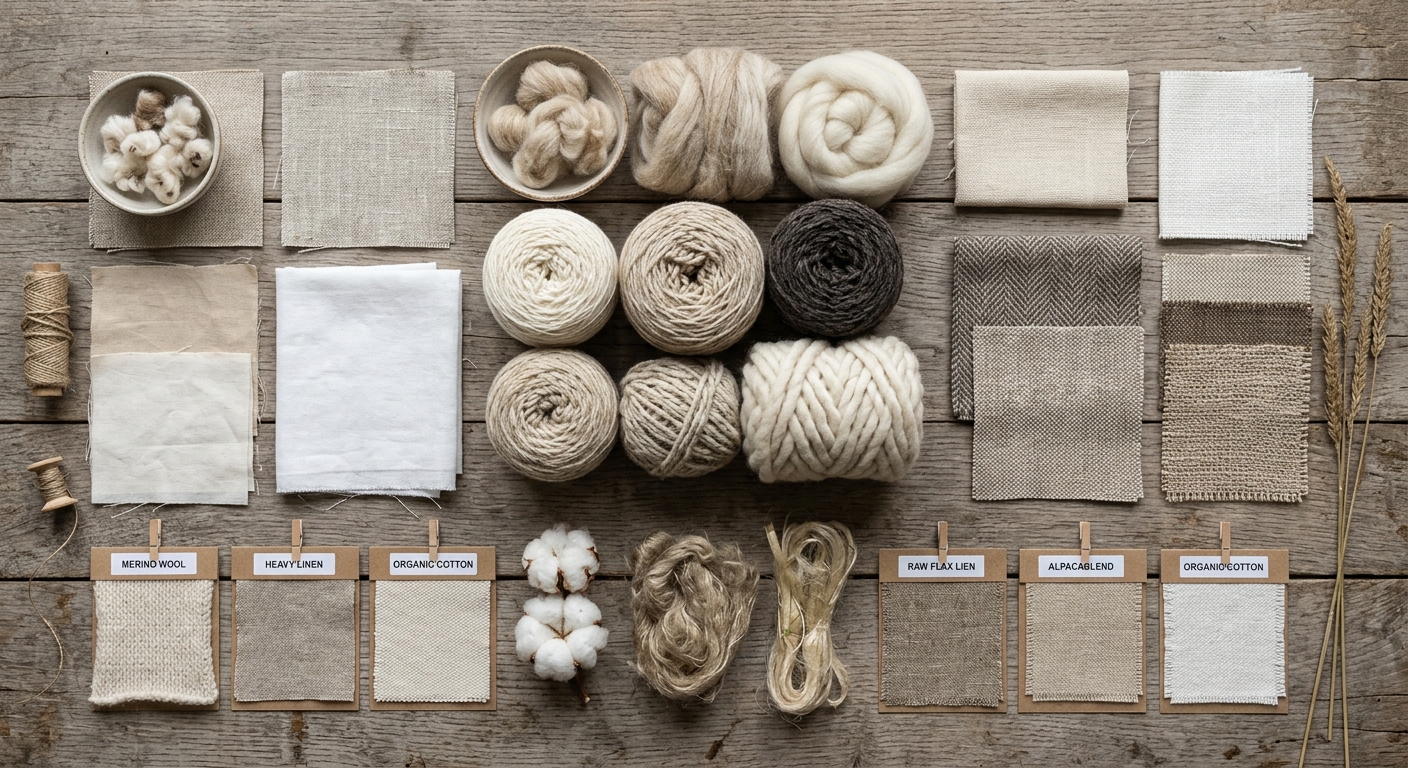
A complete guide to the natural fibers we use at Vaino Wear — their properties, benefits, and best uses.
Read More→