traditionknittingestonia
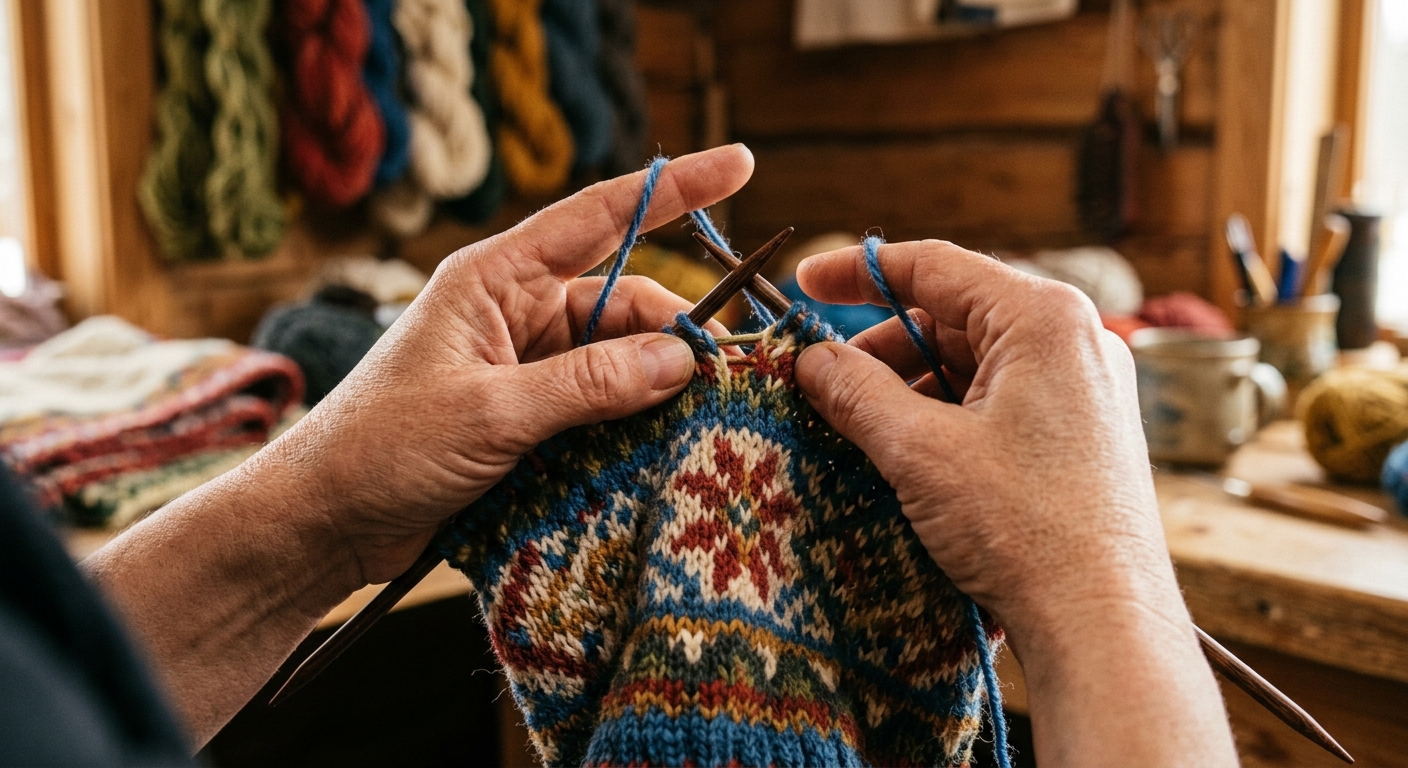
The Art of Estonian Hand Knitting: A Tradition Worth Preserving
Discover the rich history of Estonian hand knitting, from ancient patterns to modern interpretations of this beloved craft.
Read More→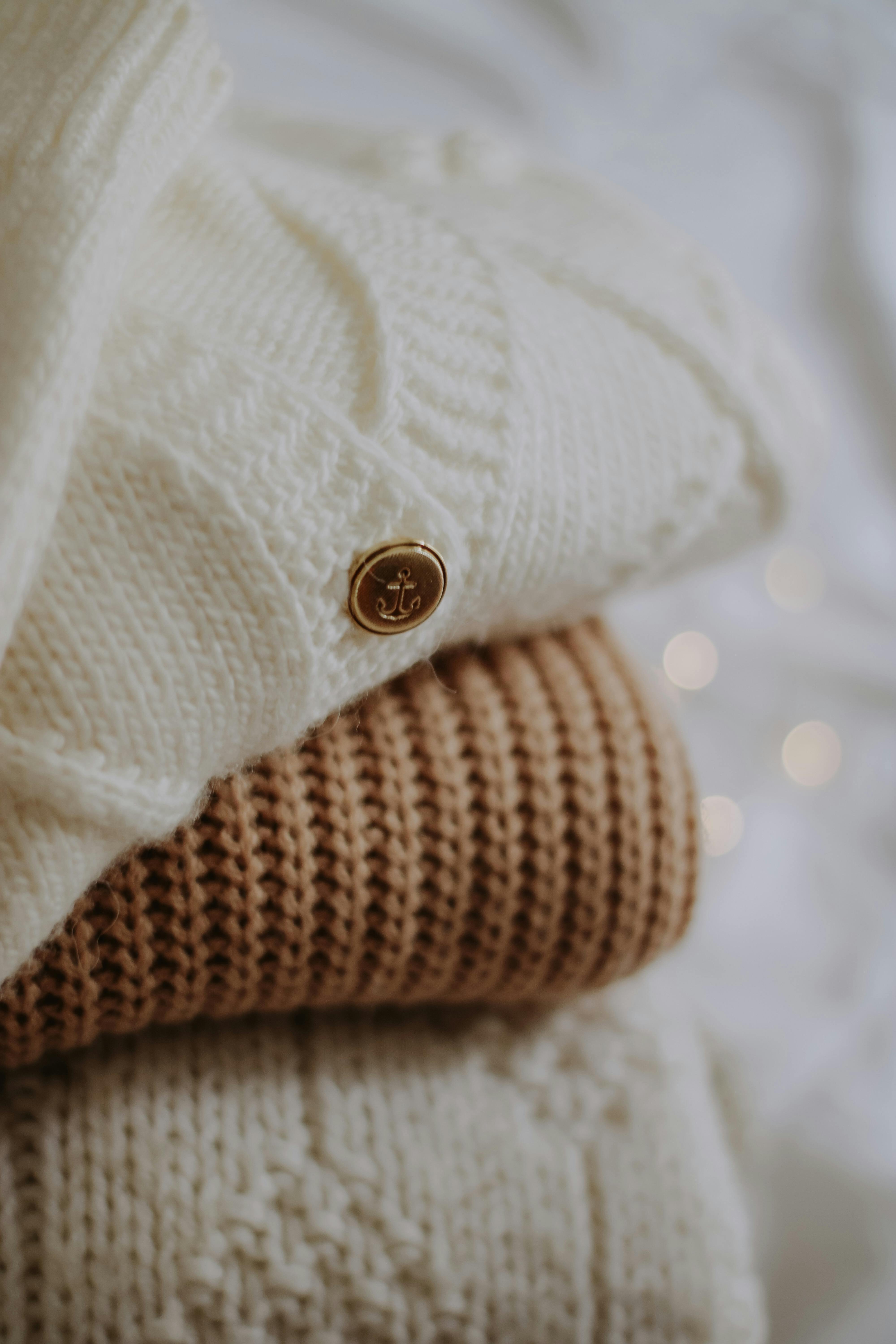
If your closet is still packed with chunky knits in late April, you are not alone. The shift from winter to spring is the perfect moment to wash, fold, and tuck away your wool sweaters until the cold returns. Done well, summer storage keeps your favourite jumpers soft, shapely, and moth-free for years. Done poorly, it leads to musty smells, stretched shoulders, and the heartbreak of small holes appearing in fabric you loved.
At Vaino Wear, we hand-knit each sweater in our small workshop in Loksa, Estonia, using merino and alpaca wool. We have spent a long time learning how natural fibres behave through every season, and how to help them last. Here is the storage routine we recommend to anyone who owns a real wool sweater.
Wool is a living, breathable fibre. It reacts to moisture, light, heat, and the air around it. Unlike synthetic clothing, a merino or alpaca sweater can quietly absorb humidity from a damp closet, hold on to body oils from the last wear, and become a quiet invitation to clothes moths.
Proper summer storage protects three things: the shape of your sweater, the softness of the fibre, and the colour. A well-stored hand-knitted jumper will look the same in October as it did when you put it away in May. A sweater stored in the wrong place often comes out misshapen, faintly musty, or with tiny holes you did not notice in spring.
This is the step most people skip, and it causes the most damage. Even if your sweater looks clean, traces of perfume, deodorant, sweat, and natural skin oils stay in the fibres. Moths are not actually attracted to wool itself. They are attracted to the proteins and oils we leave behind on it. A clean sweater is a far less appealing meal.
For our hand-knitted Vaino Wear sweaters, we recommend a gentle hand wash in lukewarm water with a wool-safe detergent. Press the water out, never wring. Lay the sweater flat on a clean towel, reshape it gently, and let it dry away from direct sunlight or a radiator. If the sweater has only been worn once or twice, a long airing on a flat surface is often enough.
Whichever method you choose, make sure the sweater is bone-dry before it goes into storage. Even a hint of moisture trapped in folded wool can cause mildew and that unmistakable basement smell.
Wool is a heavy fibre, especially when it is hand-knitted in a thicker gauge. If you hang a wool sweater on a regular hanger, gravity pulls the shoulders down, the body stretches, and you end up with a misshapen jumper that no longer fits the way it did.
The rule is simple: fold every wool sweater for storage. Lay the sweater face-down, fold the sleeves across the back, then fold the body in half or thirds depending on its size. Stack folded sweaters loosely so air can move between them. Heavier knits, like our Estonian alpaca cardigans, should sit at the bottom of the pile, with lighter merino pieces on top so nothing is crushed.
Not every box is a good home for wool. Plastic bins seal in moisture and stop the fibre from breathing, which can lead to a stale smell and even mildew over a long summer. Cardboard boxes are slightly better but can attract pests and absorb humidity in damp rooms.
The best options are:
Whatever container you choose, do not pack sweaters too tightly. Wool needs a little room.
Mothballs work, but they smell unpleasant and contain compounds many people prefer to avoid. The good news is that natural alternatives work very well for hand-knitted wool. We use them in our own workshop and at home.
Before you put anything away, vacuum the closet or chest thoroughly, paying attention to corners and seams where moth eggs can hide. A clean storage space matters as much as the repellents you add to it.
The ideal storage spot is dry, cool, dark, and stable in temperature. A bedroom closet on an interior wall is usually a good choice. Avoid these common mistakes:
If you live somewhere humid, slipping a couple of silica gel packets into each storage container will help keep the air inside steady and dry.
Even with the best routine, wool sweaters benefit from a quick mid-summer check. On a dry, sunny day in July or early August, open your storage containers, take each sweater out, and gently shake it. Look for any signs of moths, refresh your cedar or lavender, and let the sweaters air for an hour or two before folding them back. This single small ritual catches problems before they grow and keeps your knits ready for the first cold morning of autumn.
A hand-knitted sweater is the work of many quiet hours. The Estonian wool tradition we draw on at Vaino Wear values garments that are made slowly, worn often, and passed on. With a careful summer storage routine, your favourite knits will keep their shape, scent, and softness for many winters to come.
If you are looking for a sweater that is genuinely worth this kind of care, take a look at our handmade collection of merino and alpaca wool sweaters, mittens, hats, and socks at www.vainowear.com/en/products. Each piece is knitted by hand in Loksa, Estonia, using natural fibres that reward you for treating them well.
Discover the rich history of Estonian hand knitting, from ancient patterns to modern interpretations of this beloved craft.
Read More→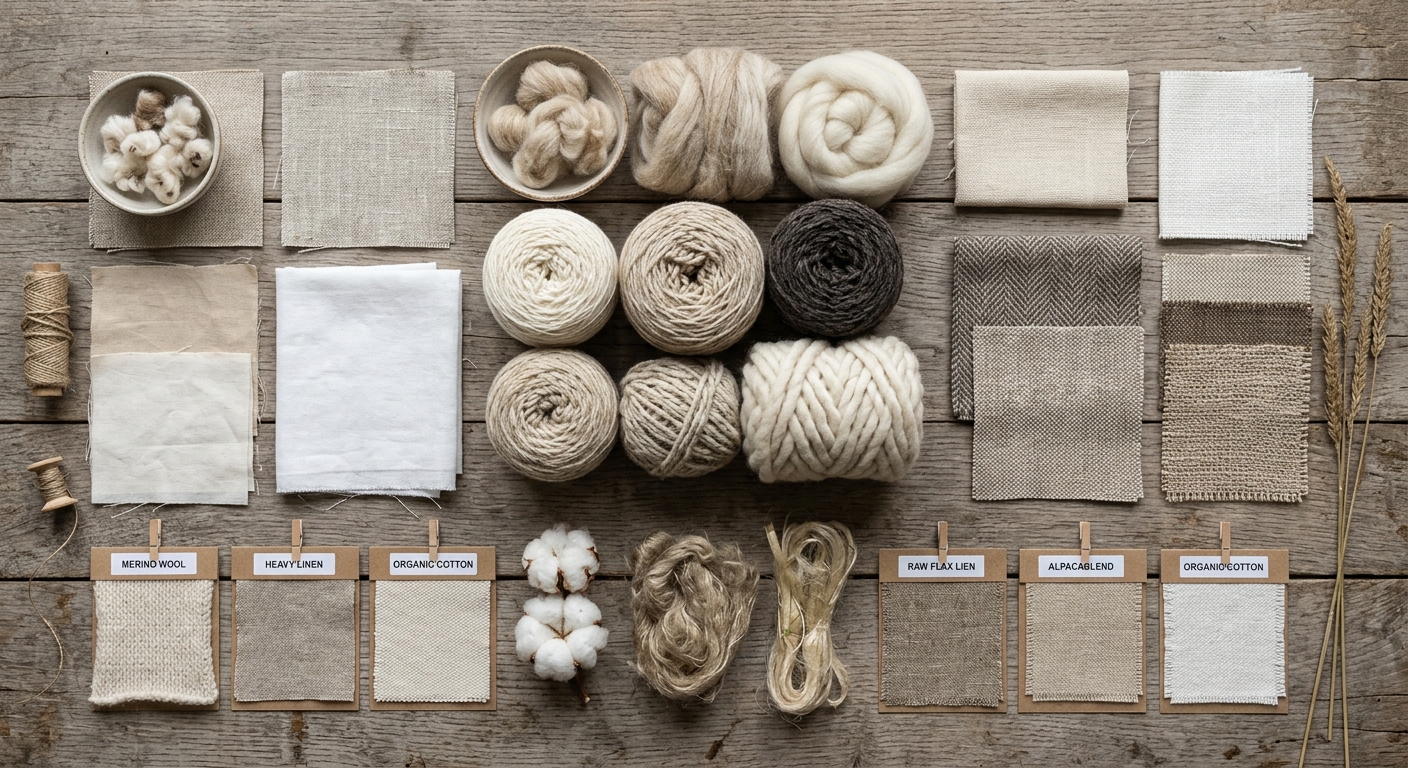
A complete guide to the natural fibers we use at Vaino Wear — their properties, benefits, and best uses.
Read More→