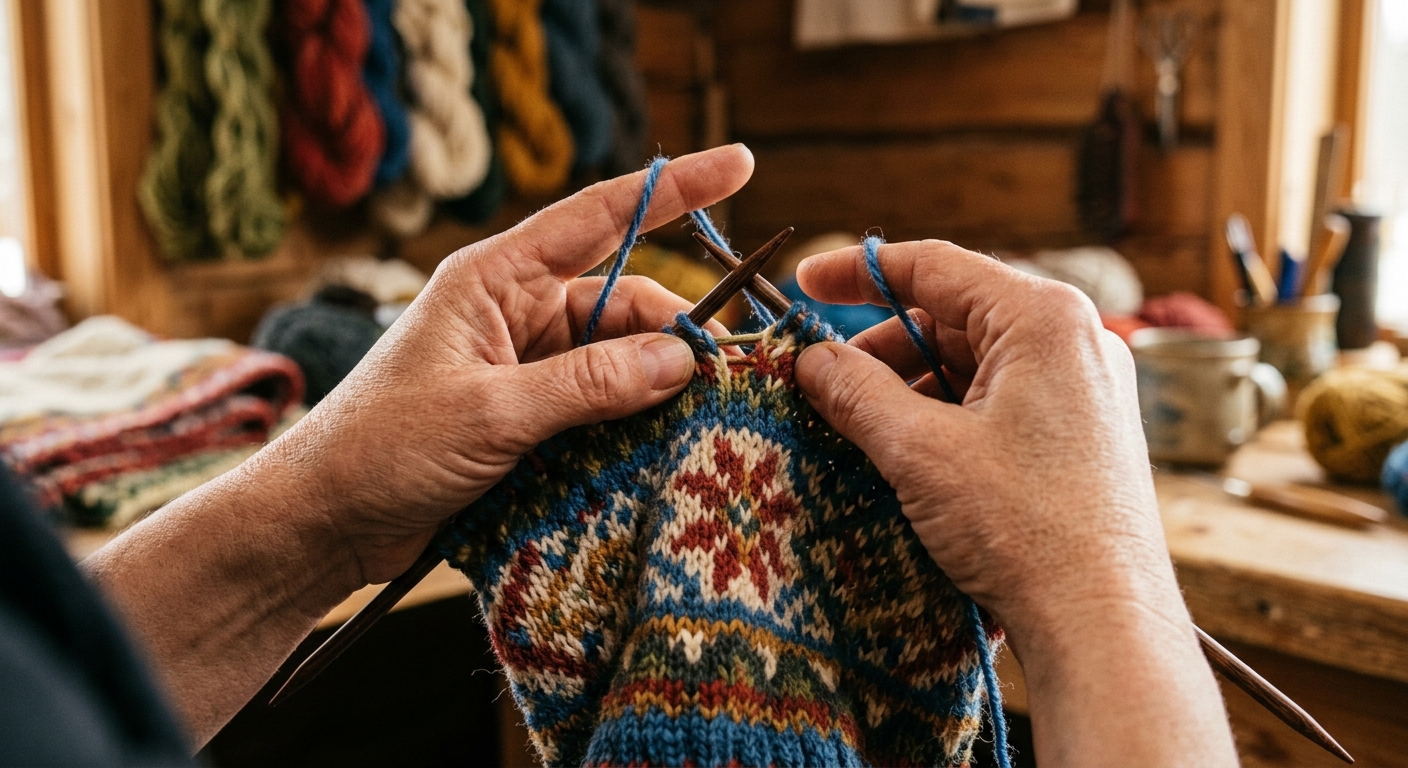
traditionknittingestonia
The Art of Estonian Hand Knitting: A Tradition Worth Preserving
Discover the rich history of Estonian hand knitting, from ancient patterns to modern interpretations of this beloved craft.
Read More→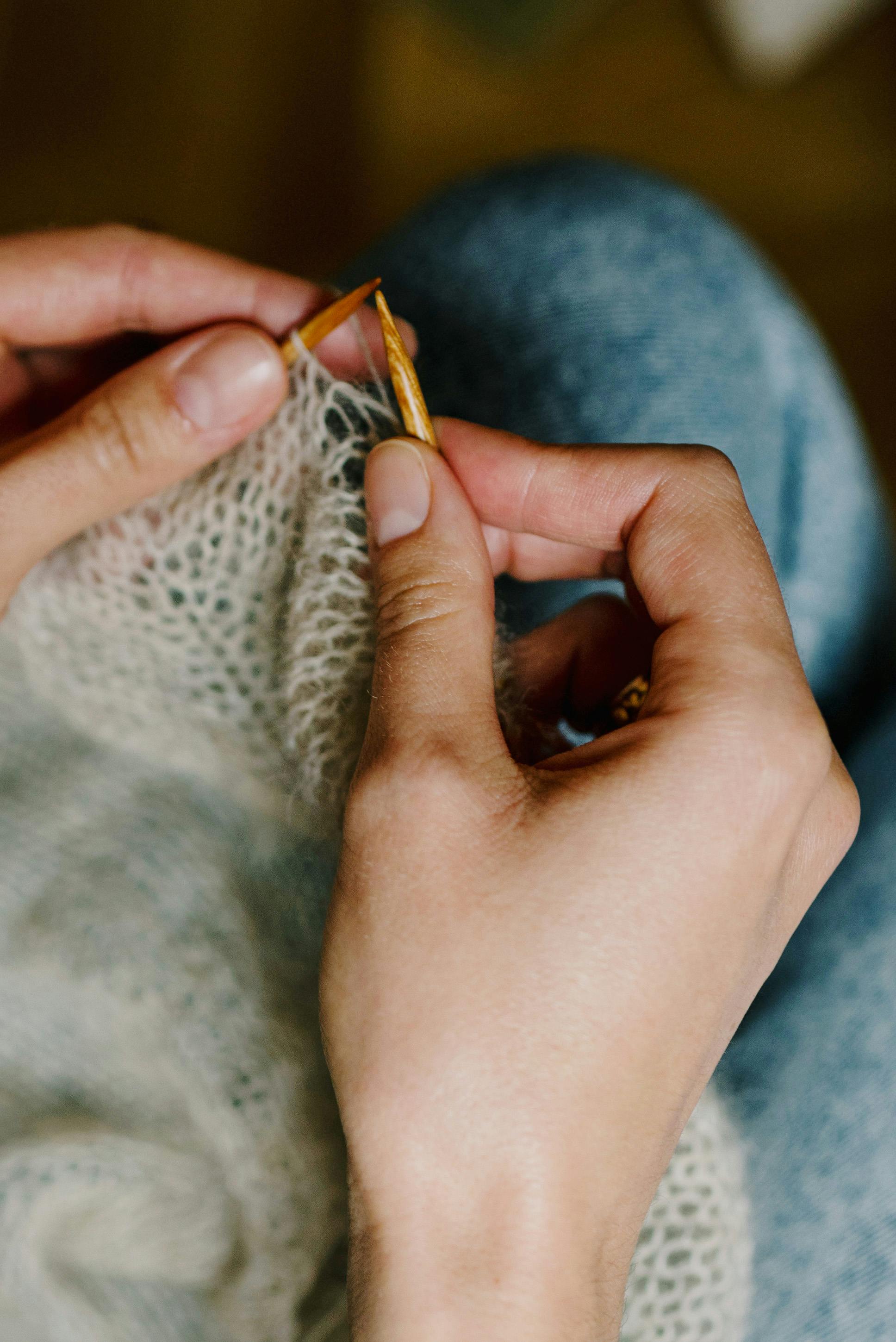
A well-made wool sweater is one of the most enduring things you can own. Hand-knitted from natural fibers like merino or pure Estonian wool, a quality sweater can last decades — but only with the right care. Wool is a remarkable fiber that regulates temperature, resists odor naturally, and becomes softer with gentle washing over time. The problem is that wool is also easy to accidentally ruin with the wrong routine.
At Vaino Wear, every sweater, pair of mittens, and hat is hand-knitted in Loksa, Estonia, using carefully sourced natural wool. We hear from customers all the time wondering how to properly clean their pieces without shrinking or damaging them. This guide answers that question once and for all.
Not all wool behaves the same way. Before reaching for water and detergent, it helps to understand what type of wool your sweater is made from:
Always check the care label first. If there is no label — common with handmade pieces from small makers like Vaino Wear — follow the most conservative method: gentle hand wash in cool water.
Hand washing is the gold standard for wool care. It takes about fifteen minutes and protects the fibers better than any other method. Here is exactly how to do it:
This is one of the most common questions about wool care — and the honest answer is: sometimes yes, often no.
If your sweater's care label confirms machine washing is safe (common with superwash merino), use a wool or delicate cycle with cold water and a low spin speed. Always place the sweater in a mesh laundry bag to protect its shape during the wash.
For handmade knitwear, we strongly recommend avoiding the washing machine unless you know the yarn was treated for machine washing. The agitation of a machine — even on a gentle cycle — can cause uneven felting or distortion in a hand-knitted structure. When in doubt, hand wash.
One practical tip: wool naturally resists odor thanks to the lanolin in the fiber. You rarely need to wash a wool sweater after every single wear. Airing it out near an open window for a few hours refreshes it naturally between washes. Most wool sweaters only need proper washing a handful of times per season.
How you dry a wool sweater matters just as much as how you wash it. Two golden rules: never hang it and never use heat.
Always dry wool flat. Lay the sweater on a clean dry towel or a mesh drying rack, reshape it gently to its original dimensions, and let it air dry at room temperature. Direct sunlight or heat sources like radiators and tumble dryers can shrink or yellow the fibers permanently.
Drying time depends on thickness. A chunky hand-knitted sweater may need 24 hours or more to dry fully. Flip it once halfway through to ensure even drying on both sides.
For storage, always fold wool — never hang it long-term. Hanging causes shoulder stretching over time that is difficult to reverse. Store folded in a drawer or on a shelf, ideally inside a breathable cotton bag. To protect against moths, place cedar blocks or dried lavender nearby. Avoid plastic bags, which trap moisture and encourage mildew.
Handmade pieces from artisan makers carry something factory-made clothing simply cannot replicate: hours of skilled work and genuine care in every single stitch. A Vaino Wear sweater knitted in Loksa, Estonia takes days to complete. That means the care you give it is not just about maintaining a garment — it is about honoring the craft behind it.
A few extra tips for handmade knitwear specifically:
With the right care, a quality wool sweater — especially a handmade one — does not just last one winter. It becomes a piece you reach for year after year, season after season, growing softer and more beloved with time.
If you are looking for knitwear worth caring for, Vaino Wear offers beautifully handmade sweaters, mittens, hats, and socks crafted from natural merino and alpaca wool in Loksa, Estonia. Each piece is made using traditional Estonian knitting techniques and designed to last a lifetime with the right care.
Browse our full collection at www.vainowear.com/en/products and find a piece that will become a treasured part of your wardrobe for years to come.
Discover the rich history of Estonian hand knitting, from ancient patterns to modern interpretations of this beloved craft.
Read More→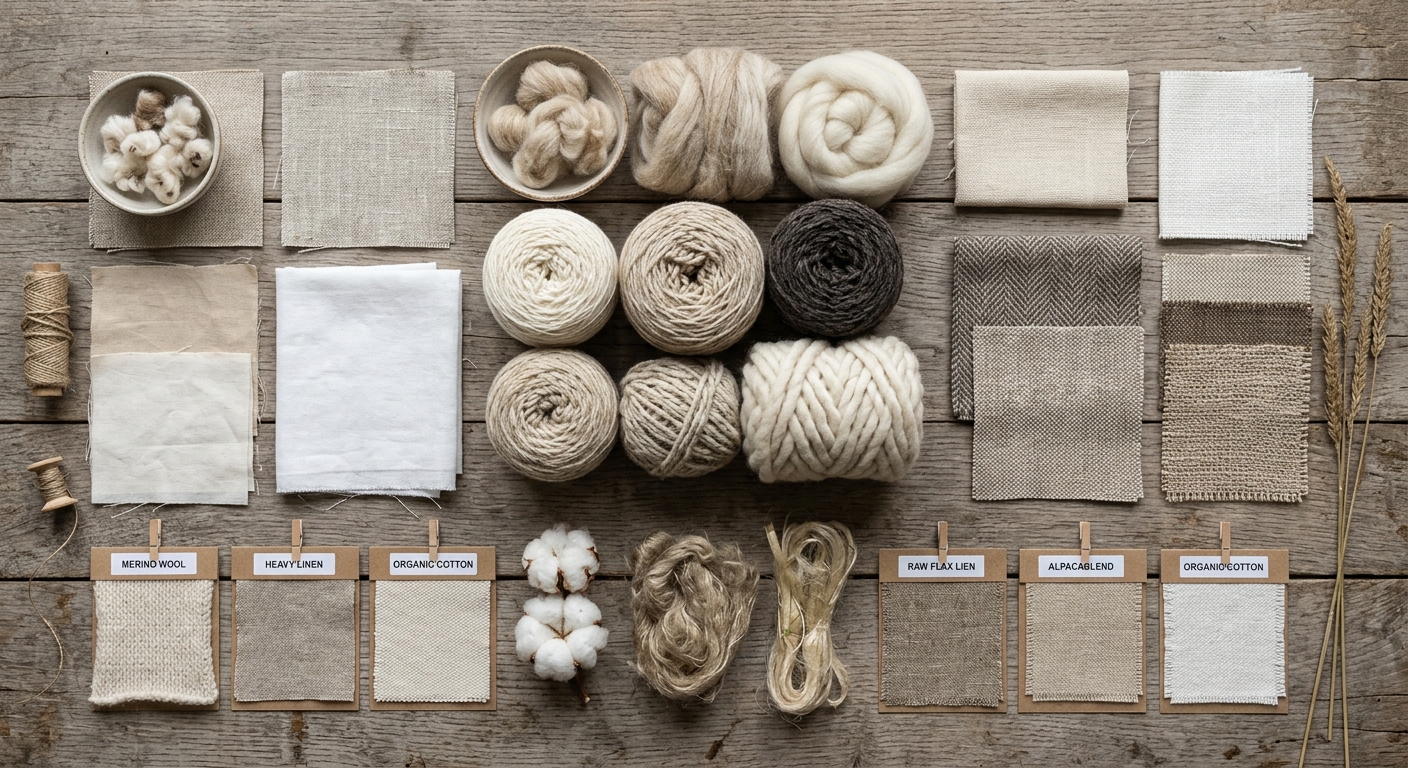
A complete guide to the natural fibers we use at Vaino Wear — their properties, benefits, and best uses.
Read More→