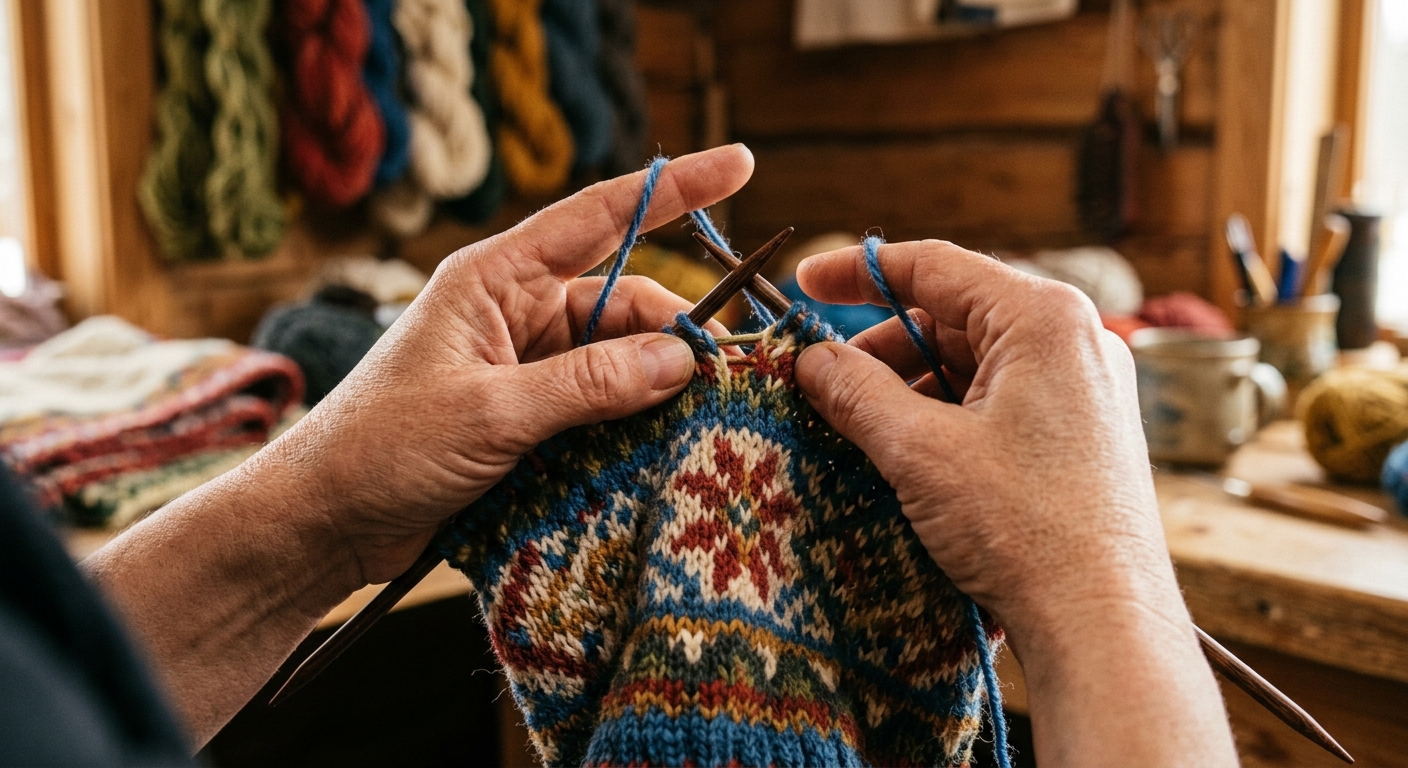
traditionknittingestonia
The Art of Estonian Hand Knitting: A Tradition Worth Preserving
Discover the rich history of Estonian hand knitting, from ancient patterns to modern interpretations of this beloved craft.
Read More→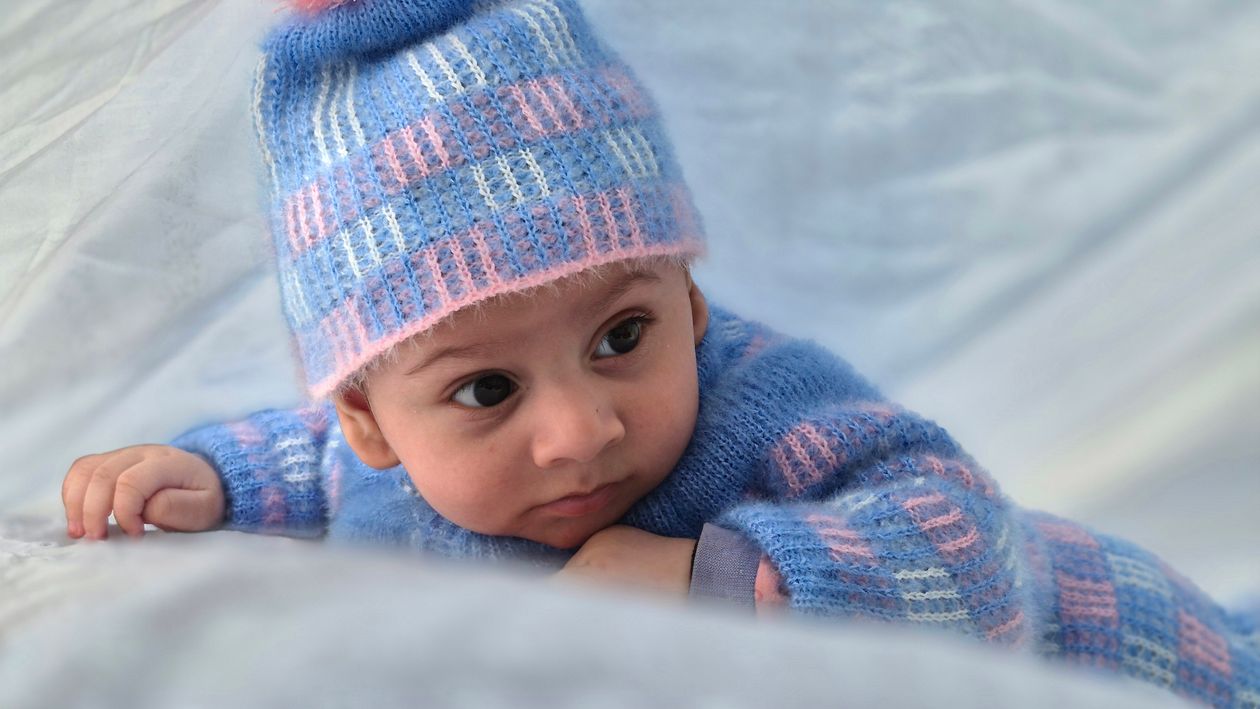
# Is Wool Safe for Babies? A Parent's Guide to Merino Wool and Sensitive Skin
Yes, wool is safe for most babies, and in many cases it is gentler on delicate skin than cotton or synthetic fabrics. The key is choosing the right kind of wool. Coarse, scratchy wool can irritate a baby's skin, but fine merino wool has thin, flexible fibers that bend against the skin instead of poking it, which is why pediatric dermatologists and knitwear makers alike recommend it for newborns, infants with eczema, and children with sensitive skin.
If you've ever hesitated to put your baby in a wool sweater because you remember an itchy hand-me-down from your own childhood, you're not alone. Here's what actually matters when choosing wool for a baby, and how to tell the difference between wool that soothes and wool that irritates.
Not all wool is created equal. Fiber diameter, measured in microns, determines how soft or scratchy a wool garment feels. Coarse wool used in rugs or outerwear can measure 30 microns or more, and those thicker fibers are stiff enough to press into skin and cause the classic "wool itch." Merino wool, by contrast, typically measures between 17 and 20 microns for baby-grade yarns, which is fine enough to flex rather than poke. This is the same reason merino performs so well in adult base layers and next-to-skin garments, a topic we cover in more depth in our [guide to merino wool's benefits](https://www.vainowear.com/en/blog/merino-wool-benefits-explained).
For babies specifically, look for garments labeled as merino or "baby merino," and be cautious with generic "wool blend" labels that don't specify fiber type, since these often mix in coarser fibers to cut cost.
Beyond softness, merino wool has a few properties that make it genuinely useful for infant clothing, not just comfortable:
Parents of babies with eczema or generally reactive skin are often told to avoid wool altogether, but that advice is outdated for fine merino. Several dermatology-focused studies over the past decade have found that superfine merino wool, worn next to skin, does not aggravate eczema and can actually improve comfort by managing temperature and moisture more effectively than cotton. The confusion usually traces back to coarse wool, which genuinely can irritate any skin, eczema-prone or not.
That said, every baby is different. If your child has a known wool sensitivity or you're introducing wool for the first time, a simple patch test helps: let a merino garment touch a small area of skin, such as the wrist, for 20 to 30 minutes and watch for redness or irritation before dressing your baby in it for a nap or bedtime.
It's also worth separating a true wool allergy, which is rare, from ordinary wool sensitivity caused by coarse fibers. A genuine allergic reaction to lanolin, the natural wax coating raw wool fibers, is uncommon and usually shows up as hives or swelling rather than mild itchiness. Most babies who "can't wear wool" simply haven't been given fine, well-processed wool yet.
A few practical guidelines make shopping easier:
1. Check the fiber fineness. Baby-specific merino yarns are spun finer than adult sweater wool. If a maker can tell you the micron count, anything under 19-20 microns is a safe bet for newborn skin.
2. Mind the weight for the season. A lightweight merino layer works under clothing year-round for temperature regulation, while a fuller hand-knitted sweater or cardigan suits colder Nordic and Baltic winters as an outer layer over a cotton bodysuit.
3. Look for flat seams and simple closures. Bulky seams or scratchy tags can bother a baby more than the wool itself. Hand-knitted pieces often avoid this problem naturally since they're seamed differently than machine-made garments.
4. Avoid superwash treatments when possible. Some machine-washable "superwash" wool is chemically stripped and coated in resin to prevent felting, which can change how it feels against skin. Traditional, minimally processed wool, like the kind used in hand-knitted Estonian pieces, tends to stay closer to its natural, gentle state.
Because babies can't regulate their own body temperature as efficiently as adults, layering matters more than any single garment. A common approach for Nordic winters is a thin cotton or merino base layer against the skin, a knitted wool cardigan, hat, or sweater as a mid-layer, and a windproof outer layer only when outdoors. Indoors, one wool layer is often enough even in a cool room, since wool continues to insulate even when it's slightly damp from normal baby sweat, unlike cotton, which loses warmth once wet.
Hats deserve special mention. Babies lose a disproportionate amount of body heat through the head, so a soft merino hat is one of the most useful single wool items for a newborn, both for outdoor walks and for temperature-sensitive naps in a stroller.
One safety note worth repeating from pediatric sleep guidelines: wool layers are excellent for daytime dressing and stroller naps, but loose knitted garments, blankets, and hats are not recommended inside a crib for unsupervised sleep, regardless of fabric. A wearable wool sleep sack or a fitted merino sleeper is the safer choice for nighttime, since it provides the same temperature regulation without loose fabric near the face.
Baby wool needs slightly gentler handling than adult sweaters, mostly because babies' skin reacts more to detergent residue than yarn does. Use a wool-specific, fragrance-free detergent, skip fabric softener entirely (it coats fibers and can reduce wool's natural moisture-wicking), and always do a full rinse cycle. Hand-washing in cool water and laying the garment flat to dry keeps shape and softness intact for years, which matters since hand-knitted baby items are often passed between siblings or given as heirlooms. For a full step-by-step process that applies to any wool garment in the house, our [complete wool sweater care guide](https://www.vainowear.com/en/blog/how-to-care-for-wool-sweaters) covers washing, drying, and storage in detail.
Wool is not something to avoid for babies with sensitive skin. It's often the better choice once you know what to look for. Fine merino wool, properly fitted and gently cared for, regulates temperature, manages moisture, and rarely causes the itching people associate with wool in general. The exception is coarse, poorly processed wool, which can irritate any skin regardless of age.
If you're building out a baby's wool wardrobe, hand-knitted pieces made from traditional, minimally processed merino are a reliable place to start, since they avoid the harsh chemical treatments used in some mass-produced "washable" wool. Browse our [collection of handmade knitwear](https://www.vainowear.com/en/products) for soft, breathable pieces sized for infants and children, each knitted the same way Estonian families have made baby clothes for generations.
Discover the rich history of Estonian hand knitting, from ancient patterns to modern interpretations of this beloved craft.
Read More→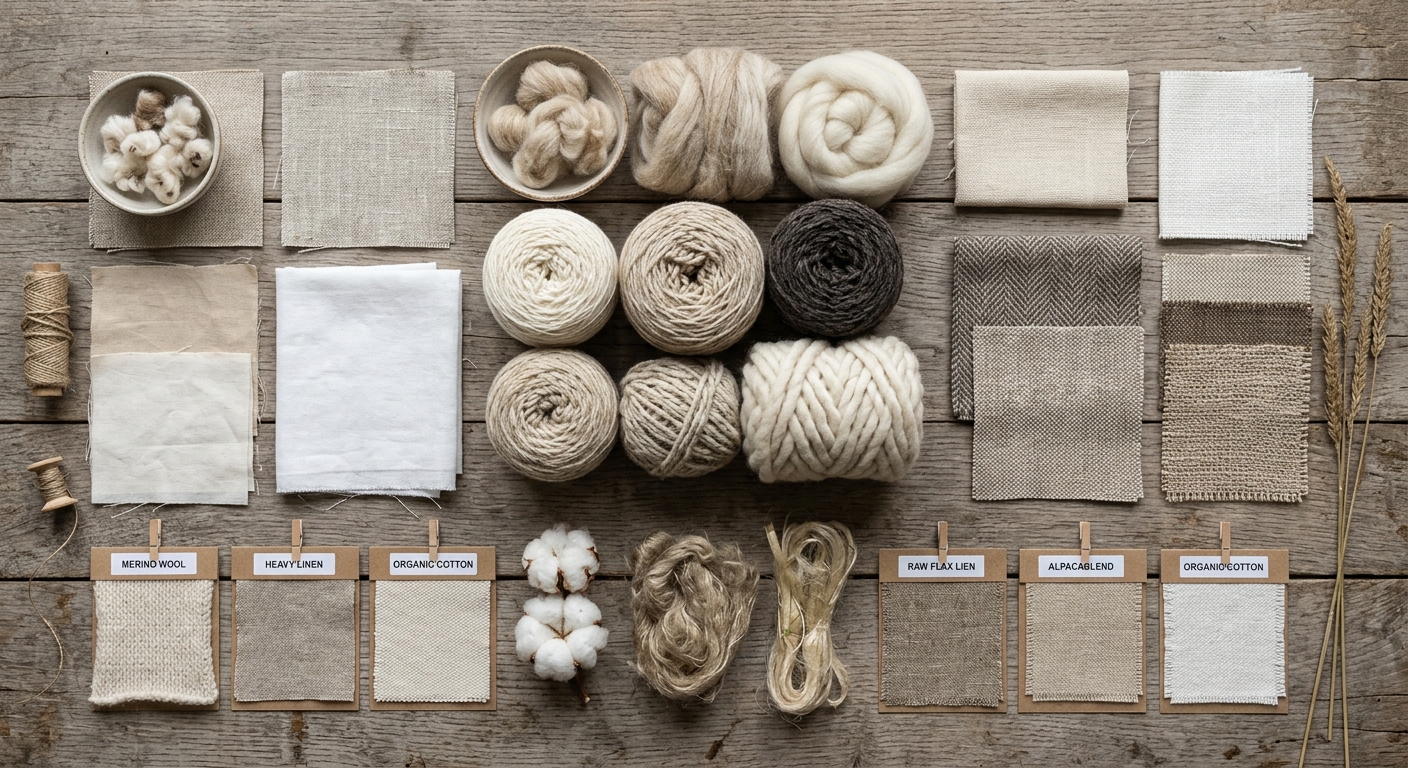
A complete guide to the natural fibers we use at Vaino Wear — their properties, benefits, and best uses.
Read More→