traditionknittingestonia
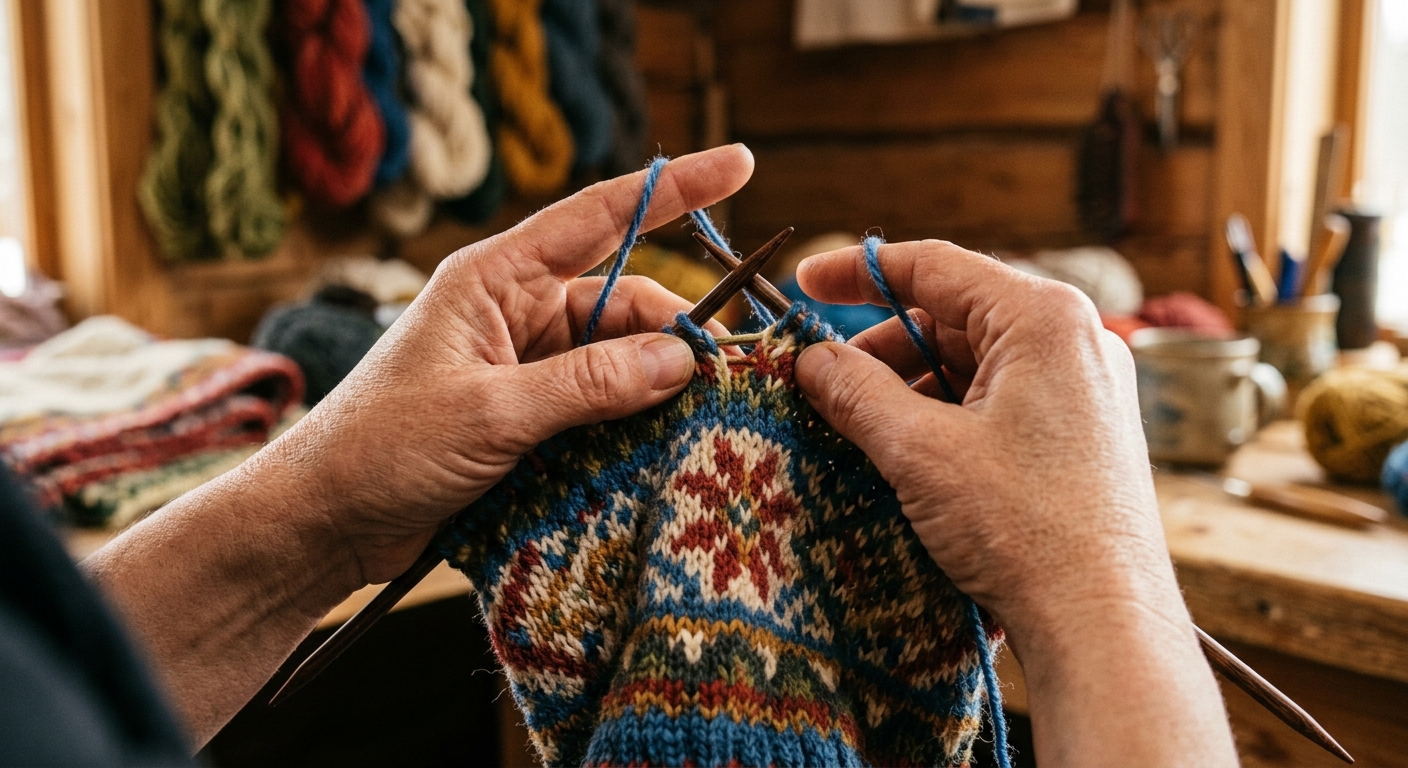
The Art of Estonian Hand Knitting: A Tradition Worth Preserving
Discover the rich history of Estonian hand knitting, from ancient patterns to modern interpretations of this beloved craft.
Read More→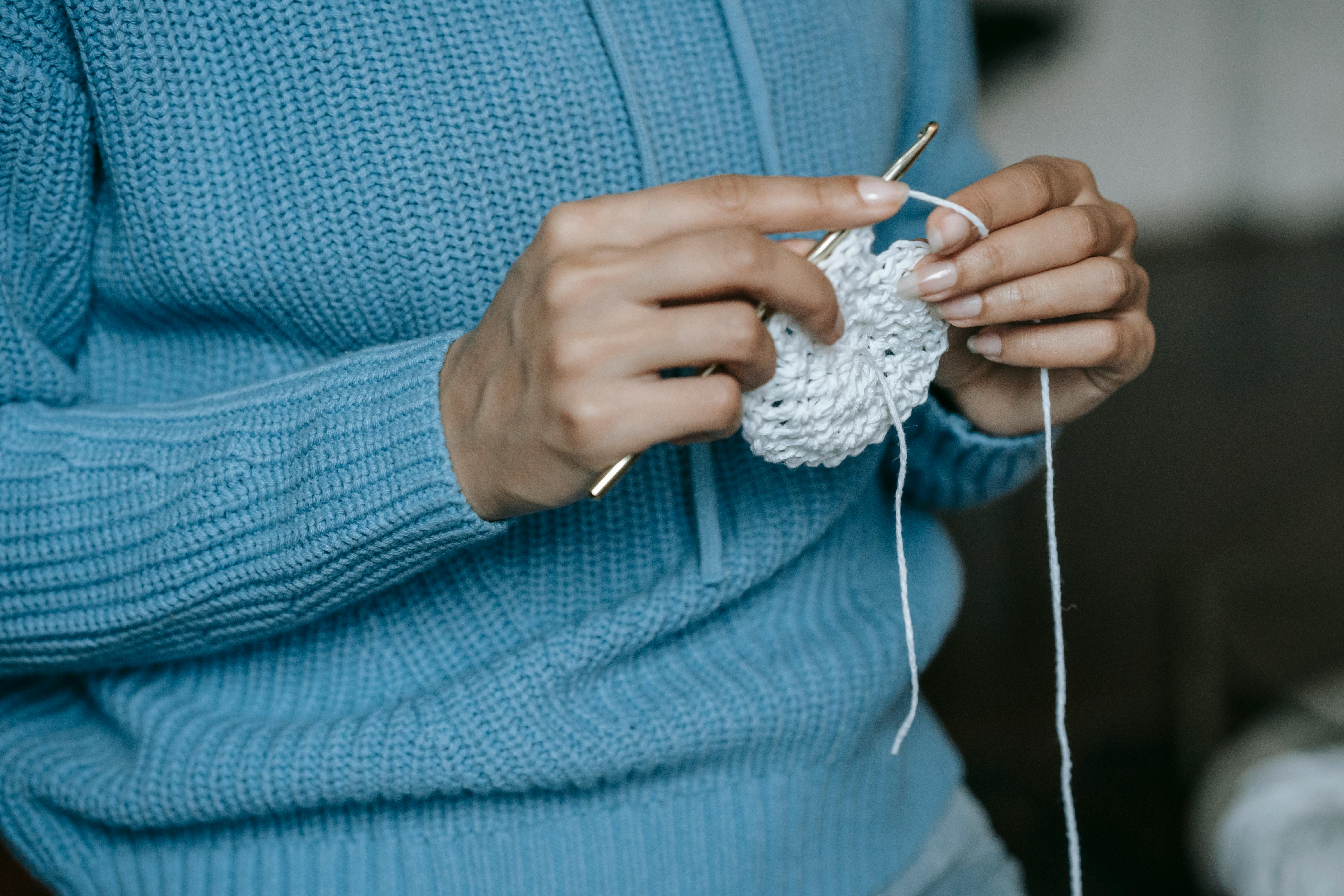
If you have ever pulled on a scratchy old wool sweater and sworn off wool for good, it is time to give it another chance. The wool that made you itch was probably a coarse breed fiber, nothing like merino. Merino wool is a different material entirely, and once you understand why it performs the way it does, it is hard to go back to cotton or synthetic blends. Here is what the fiber actually does for your body, your closet, and the planet, and why so many people who try one merino piece end up replacing half their wardrobe with it.
Not all wool is created equal. Regular wool fibers can measure 30 microns or more in diameter, which is thick enough for the fiber tips to press against your skin and cause that familiar itch. Merino fibers, by contrast, are typically 15 to 24 microns thick, finer than a human hair. Because the fibers are so fine, they bend easily against the skin instead of poking it, which is why merino feels soft even directly against bare arms and necks.
Merino sheep are raised primarily in cooler, high-altitude climates, and their fleece has evolved to handle extreme temperature swings, sometimes 30 degrees Celsius in a single day. That evolutionary pressure is exactly what makes the fiber so good at regulating temperature for the person wearing it, whether that is a hand knitted sweater, a pair of mittens, or a simple pair of socks.
One of the most surprising merino wool benefits is that it is not just a winter fabric. The fiber has a natural crimp and a hollow core structure that traps air, which insulates against cold. But that same structure also lets the fiber wick moisture away from the skin and release it into the air, which keeps you cooler than you would expect in mild weather. Merino wool can absorb up to a third of its own weight in moisture without feeling wet, so it manages sweat far better than cotton, which just holds onto moisture, or synthetic fabrics, which trap it against the skin.
This is why a merino base layer or a lightweight merino sweater works for a chilly spring morning as well as it does for the depths of winter. It is also why so many of our customers reach for a merino hat or mittens as soon as the temperature drops, then keep wearing thinner merino pieces well into what most people would call sweater weather rather than heavy coat weather.
Merino wool contains a natural, waxy coating called lanolin along with a keratin structure that resists the growth of odor causing bacteria. That means a merino sweater or a pair of merino socks can be worn multiple times between washes without holding onto smell the way synthetic fabrics do. For travelers, hikers, or anyone who simply wants to wash less often and wear more, this is one of the most practical benefits of merino wool clothing.
Caring for merino is simpler than people expect once they know the basics:
Treated this way, a well made merino piece, especially a hand knitted one, can last for decades rather than seasons.
Synthetic performance fabrics are marketed as the modern solution for warmth and moisture management, but merino wool outperforms them in several ways that matter over the long run. Synthetic fibers are made from petroleum, they shed microplastics into waterways with every wash, and they tend to hold onto odor because bacteria thrive on the oils that synthetic fibers absorb from skin. Merino wool, on the other hand, is a renewable resource. Sheep grow a new fleece every year, and the fiber itself is biodegradable, breaking down naturally at the end of its long life instead of lingering in a landfill or the ocean for centuries.
There is also a comfort argument. Synthetic fabrics can feel clammy against the skin once you start to sweat, while merino continues to feel dry and temperature balanced. For anyone building a wardrobe around natural fibers rather than plastic based ones, choosing merino wool over synthetic alternatives is one of the simplest upgrades available, whether that means swapping a synthetic base layer for a merino one or choosing a hand knitted alpaca and merino blend sweater over a mass produced acrylic one.
Mass produced merino garments get you the benefits of the fiber, but hand knitted pieces add something machines cannot replicate: density, structure, and attention to how the garment will actually be worn. At Vaino Wear, every sweater, hat, mitten, and pair of socks is handmade in Loksa, Estonia, a country with centuries of knitting tradition behind it. Estonian knitters have long understood how to work with wool for a genuinely harsh climate, and that knowledge shows up in details like reinforced heels on socks, snug rather than loose cuffs on mittens, and cabling that adds warmth as well as pattern.
We also work with alpaca wool alongside merino, since the two fibers complement each other beautifully. Alpaca adds warmth and a silky drape, while merino contributes elasticity and shape retention, so a blended sweater keeps its form wash after wash. The result is clothing built to be worn for years, not a single season, and handed down rather than thrown away.
Once you understand the real benefits of merino wool, from temperature regulation to odor resistance to biodegradability, it becomes an easy choice for sweaters, hats, mittens, and socks alike. A handmade merino piece is also one of the most thoughtful gifts you can give someone, since it is practical, long lasting, and made with visible care rather than mass produced in a factory.
If you are ready to feel the difference for yourself, explore the full collection of handmade Estonian merino and alpaca knitwear at www.vainowear.com/en/products and find the sweater, hat, mittens, or socks that will earn a permanent place in your wardrobe.
Discover the rich history of Estonian hand knitting, from ancient patterns to modern interpretations of this beloved craft.
Read More→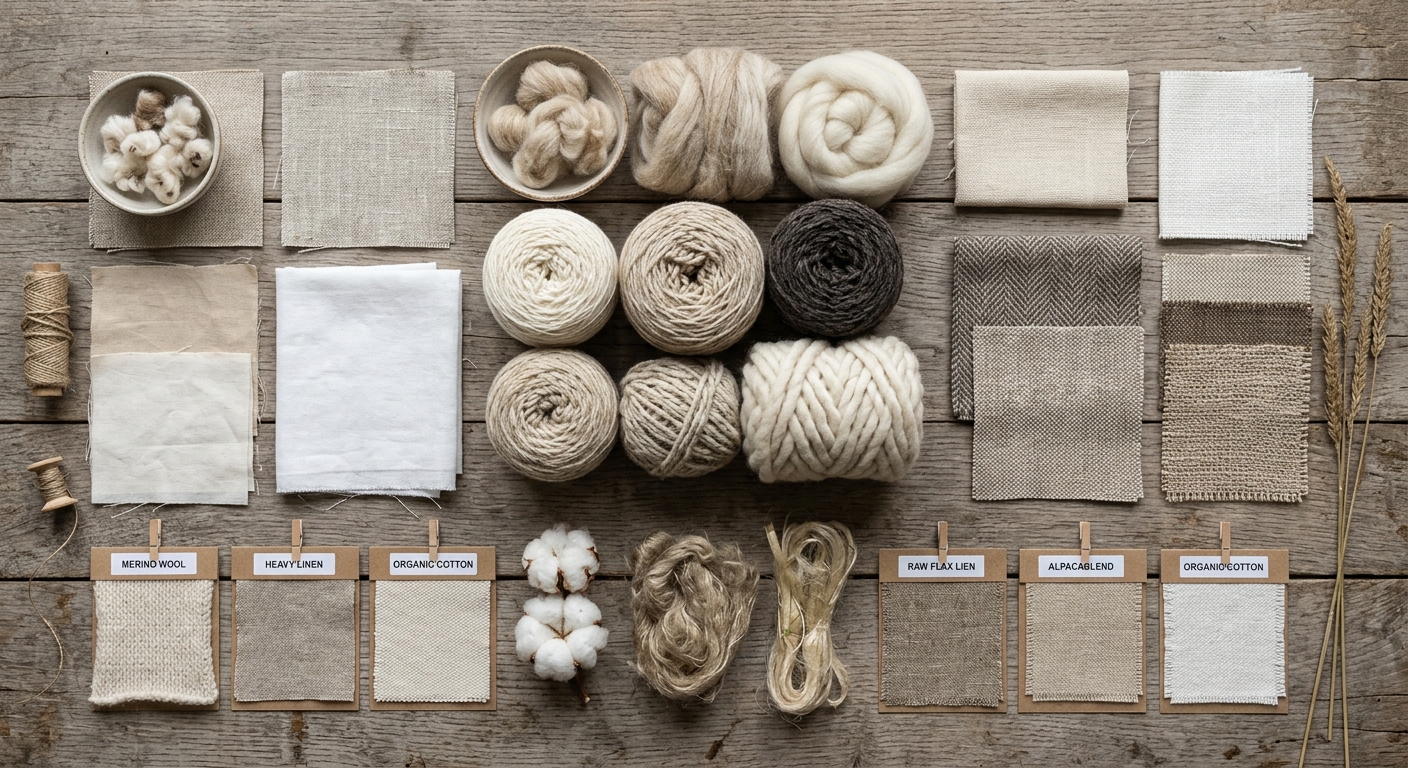
A complete guide to the natural fibers we use at Vaino Wear — their properties, benefits, and best uses.
Read More→