traditionknittingestonia
The Art of Estonian Hand Knitting: A Tradition Worth Preserving
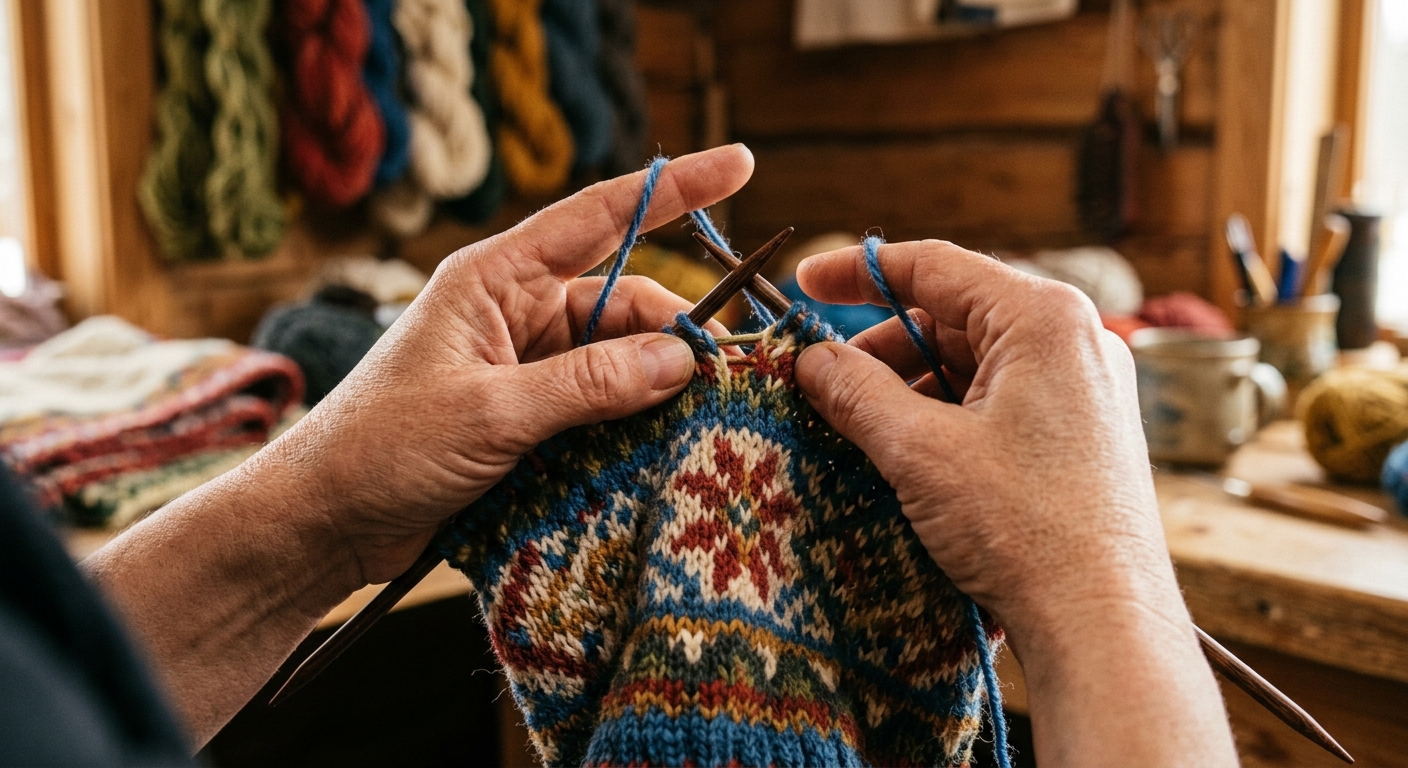
Discover the rich history of Estonian hand knitting, from ancient patterns to modern interpretations of this beloved craft.
Read More→
If you've stood in a shop trying to decide between a wool sweater and a synthetic fleece, here is the short answer: wool wins for everyday warmth, comfort, and durability, while synthetic fabrics only pull ahead in a handful of specific situations, like heavy sweating during high intensity training. The rest of this guide breaks down exactly why, with the numbers to back it up, and what that means if you are shopping for a sweater, mittens, or socks that need to last for years rather than one winter.
Wool is a natural protein fiber, the same family as your own hair and nails. Under a microscope, each strand has a scaly outer layer wrapped around a crimped, springy core. That structure traps tiny pockets of air for insulation and pulls moisture vapor into the fiber itself rather than letting it sit on your skin.
Synthetic fibers like polyester, acrylic, and nylon start life as petroleum. They are melted, extruded through tiny holes, and spun into thread. Because plastic does not absorb water the way a natural fiber does, synthetic fabric handles moisture by moving it across the surface instead of soaking it up.
That one structural difference, absorb versus repel, explains almost every performance gap between the two materials.
In dry conditions, a thick synthetic fleece and a wool sweater can feel similarly warm. The real difference shows up the moment things get damp. Wool retains roughly 80 percent of its insulating power when wet, while polyester drops to somewhere between 20 and 30 percent. If you have ever worn a fleece in light rain and felt the chill set in fast, this is why.
Wool also thermoregulates. It releases warmth when your body heats up and holds it in when you cool down, which is why a merino wool sweater feels comfortable whether you are walking outside in the cold or sitting in a warm room. Synthetic insulation cannot do this. It traps heat at one steady rate, so you either overheat indoors or feel the cold the second you step outside.
Wool fiber can absorb close to 30 percent of its own weight in moisture before it ever feels wet or clammy against your skin. That is a big part of why a wool sweater feels comfortable through a long workday, a flight, or a cold walk home, even if you have worked up a bit of a sweat underneath it.
There is also the smell factor. Wool's natural surface resists the bacteria that cause body odor, so a wool sweater, a pair of wool socks, or mittens can be worn several times between washes without smelling stale. Synthetic fabric does the opposite. Sweat sits on the plastic surface rather than absorbing into it, bacteria multiply quickly, and that is the source of the fleece smell that no amount of washing seems to fully fix.
This is one reason frequent travelers pack a single merino sweater instead of three or four t-shirts. Less laundry, less luggage, and no awkward moment unpacking a gym bag that smells like a locker room.
Every time a synthetic garment goes through the wash, it sheds thousands of tiny plastic fibers. Those microplastics flow straight through most water treatment systems and end up in rivers, oceans, and eventually in fish and drinking water. A single fleece jacket can release hundreds of thousands of microfibers in one wash cycle.
Wool does not have this problem. It is biodegradable, breaking down naturally in soil or compost within a matter of months to a couple of years, releasing nutrients rather than plastic. For anyone trying to move toward slower, more sustainable fashion choices, that difference alone is worth thinking about every time you reach for a synthetic versus a natural fiber.
This is part of why slow fashion and sustainable wardrobes keep circling back to wool. Choosing a hand-knitted sweater that is made to last, rather than a synthetic piece built for one or two seasons, is a small but real way to cut down on fashion's plastic footprint.
To be fair, synthetic fabric is not without its uses. It dries fast, costs less to produce, and performs well during high intensity activity where heavy, constant sweating is the main concern, think marathon training or hot yoga. If you need something to throw in a bag, sweat through, and wash on a quick cycle, a synthetic base layer can make sense.
But for daily wear, travel, office layering, gifts, and anything you want to own for years instead of one season, wool consistently comes out ahead on warmth, comfort, smell, and environmental impact.
Every Vaino Wear piece is knitted by hand in Loksa, Estonia, using merino wool and alpaca rather than mass-produced acrylic blends. That matters for more than just the feel of the yarn against your skin.
That combination of warmth, comfort, and longevity is exactly why so many people who try a genuine wool sweater once never go back to synthetic for everyday wear.
If you are deciding between wool and synthetic for your next sweater, mittens, or pair of socks, ask yourself how you will actually use the piece. Training for a marathon in the rain? Synthetic has its place. Looking for something to wear all winter, gift to someone you love, or pass down for years? A hand-knitted merino or alpaca piece will outperform synthetic in nearly every way that matters for daily life.
Explore our full collection of handmade Estonian sweaters, mittens, hats, and socks, each knitted with natural merino wool and alpaca, at vainowear.com/en/products, and feel the difference natural fiber makes for yourself.
Discover the rich history of Estonian hand knitting, from ancient patterns to modern interpretations of this beloved craft.
Read More→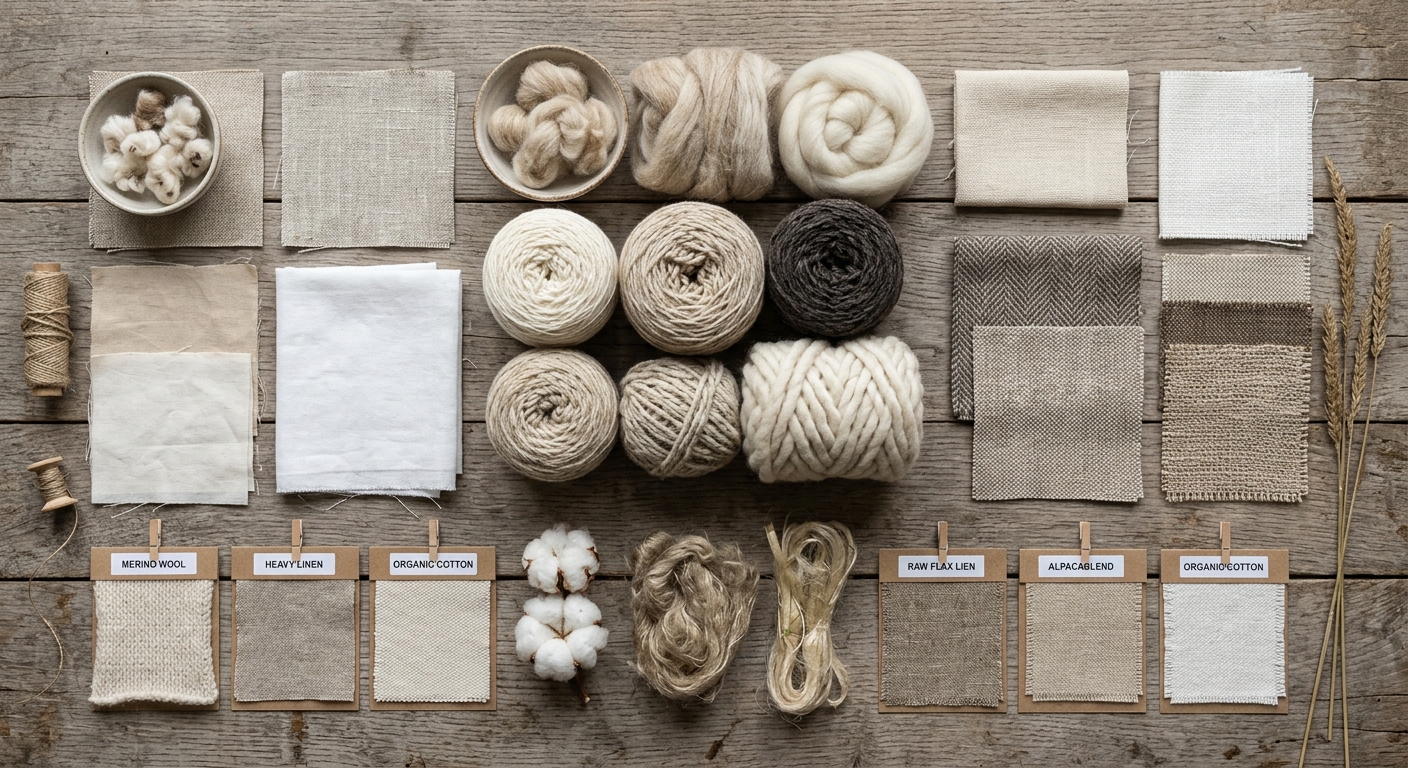
A complete guide to the natural fibers we use at Vaino Wear — their properties, benefits, and best uses.
Read More→