traditionknittingestonia
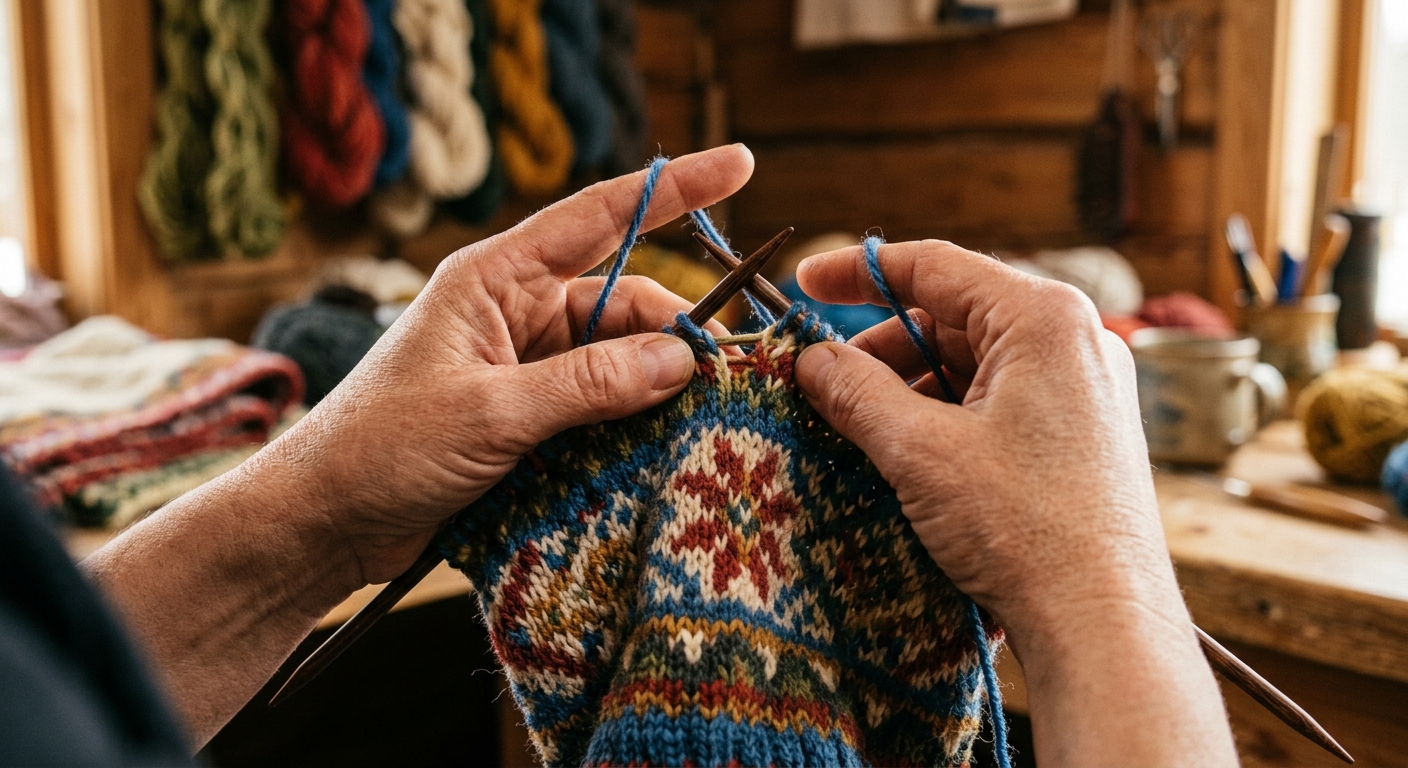
The Art of Estonian Hand Knitting: A Tradition Worth Preserving
Discover the rich history of Estonian hand knitting, from ancient patterns to modern interpretations of this beloved craft.
Read More→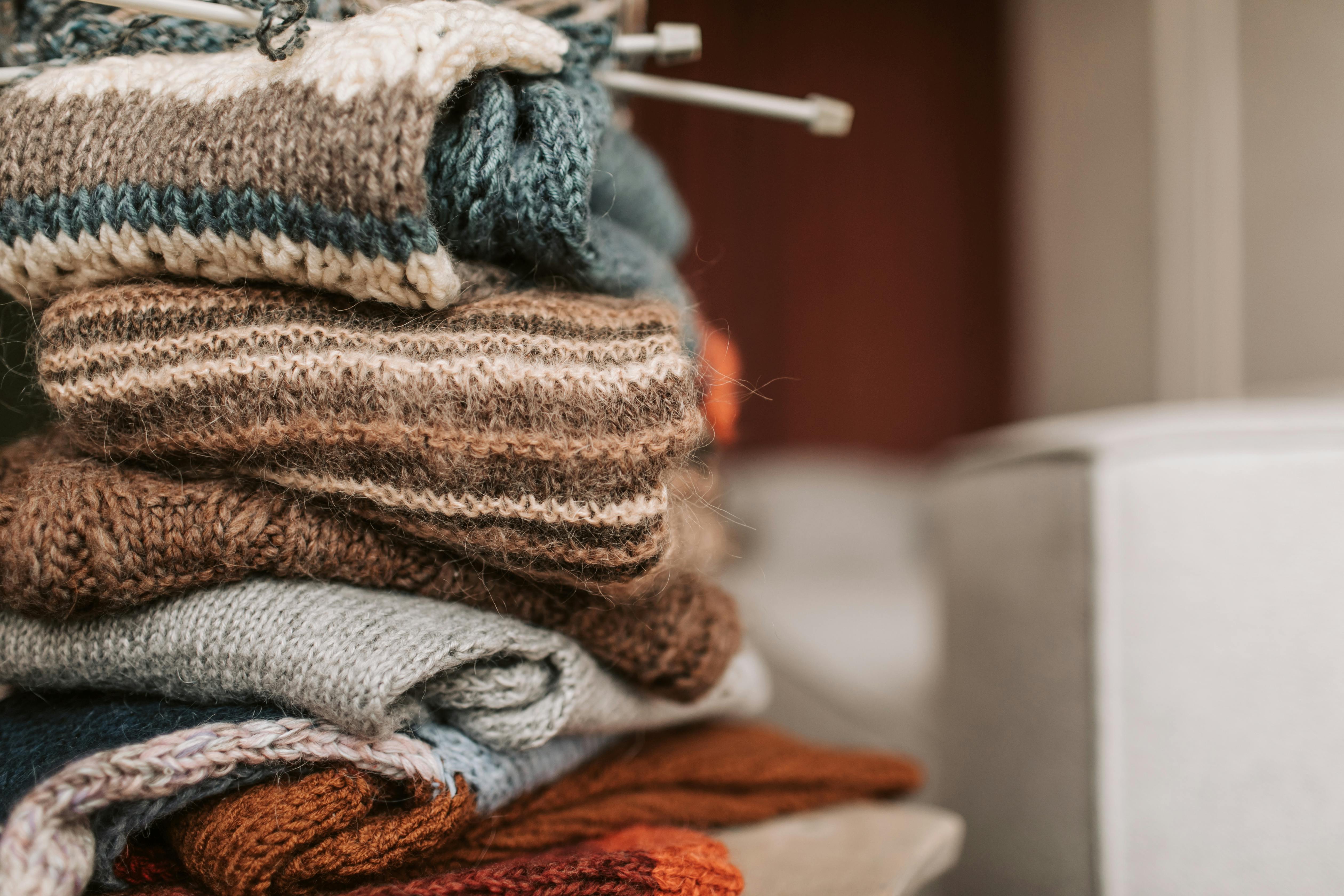
The best Estonian souvenirs are the ones people still use years later: hand-knitted wool mittens, socks and sweaters, a Haapsalu lace shawl, juniper wood kitchenware, dark rye bread and a bottle of Vana Tallinn. Of these, knitwear is the one most worth buying carefully, because Tallinn's Old Town stalls sell a lot of machine-made imports dressed up as local craft. Below is a guide to what to bring home from Estonia, and how to tell a genuine hand-knitted piece from a souvenir-shop copy in under a minute.
Estonians have been knitting for centuries, and for most of that time it was not a hobby. Mittens and socks were everyday survival gear for long, wet winters, and they were also part of the language of family life. A bride traditionally prepared dozens of pairs of patterned mittens to give to her new relatives at the wedding. Each parish had its own colours and motifs, so a well-travelled eye could tell where a pair came from.
That history is still visible today. Kihnu island has its striped skirts and bold mittens, Muhu has bright floral colourwork, and Haapsalu is famous for lace shawls so fine they can be pulled through a wedding ring. If you want to know what you are looking at before you buy, our guide to traditional Estonian knitting patterns from Haapsalu and Kihnu explains the main styles and their stories.
What makes knitwear such a good souvenir is that it is both practical and personal. A fridge magnet gets forgotten. A pair of wool mittens comes out every winter and quietly reminds you of the cobbled streets of Tallinn or a walk on a frosty bog trail.
Here is a short list of things that are genuinely Estonian, travel well and get used.
If you are buying for several people back home, our article on hand-knitted gifts people actually wear can help you match items to recipients.
This is the part most visitors miss. Not everything sold as "Estonian" knitwear was made in Estonia, or made by hand. Some stalls sell mass-produced acrylic blends with a folk-style pattern printed or machine-knitted on. Here is how to check quickly.
Look at the inside. Turn a mitten or sweater inside out. In hand-knitted colourwork, you will see "floats", short strands of the unused colour carried along the back, and the tension will vary very slightly from row to row. Machine knitting is perfectly uniform and often has flat, overlocked seams with serger thread.
Check the seams and edges. Hand-knitted mittens are usually knitted in the round, so there is no side seam at all. Cuffs are cast on by hand and the thumb is worked as a separate, neatly joined piece. A sewn side seam on a patterned mitten is a strong sign of machine production.
Read the fibre label. Real Estonian knitwear is almost always pure wool, merino, alpaca or a wool blend with a small amount of nylon in socks for durability. If the label says 100% acrylic, it is a souvenir in shape only. Acrylic pills quickly and does not keep you warm when damp.
Feel the weight. Hand-knitted wool has a certain density and springiness. Squeeze it and it bounces back. Cheap synthetic knits feel light, slippery and squeaky.
Ask who made it. In a genuine craft shop, the seller can usually tell you the maker's name, the village or county, and how long a piece took. Many makers sign their work with a small tag. If the answer is vague, so is the origin.
Be realistic about price. A pair of hand-knitted patterned mittens takes many hours of work. If a "handmade" pair costs less than a pizza, it was not made by hand in Estonia.
In Tallinn, the Old Town has several dedicated craft shops and the well-known knitwear stalls along the town wall on Müürivahe Street. Quality there varies a lot, so use the checks above. Craft fairs, especially the Christmas markets in November and December, are a good place to meet makers in person. Smaller towns and islands, such as Haapsalu, Kihnu, Muhu and Saaremaa, often have local handicraft shops where the person behind the counter knitted the goods.
You can also buy directly from a maker online. That is exactly what we do at Vaino Wear. Every piece is knitted by hand in Loksa, a small seaside town on the north coast of Estonia, east of Tallinn. Our range includes wool, merino and alpaca sweaters, mittens, hats, socks, knee socks, balaclavas and headbands, plus linen and cotton garments and children's knitwear. Buying online also solves the classic travel problem: you do not have to squeeze a chunky sweater into hand luggage, and you can order once you know the right size.
Packing. Knitwear compresses well. Roll mittens and socks and tuck them into shoes to save space. Keep wool away from anything that might leak, such as a bottle of Vana Tallinn.
Customs. Within the EU there is nothing to declare for clothing. Travellers heading to the UK, US or elsewhere should check their personal allowances, but a few pairs of mittens and a sweater are rarely an issue. Food items like smoked fish can be restricted in some countries, so check before you pack them.
Sizing gifts. Mittens and hats are forgiving. Sweaters are not. If you are buying a sweater for someone who is not with you, measure a sweater they already love by laying it flat, and compare with the seller's chart.
Timing. Late autumn and winter are the best seasons to buy, because makers have the most stock ready for Christmas and you can see the pieces doing their real job on the street.
The best thing about bringing home Estonian knitwear is that it keeps working long after the trip. A well-made pair of wool mittens can last ten winters or more, and a good sweater can be passed down. Each one carries a little of the place it came from: the patterns, the wool and the patience of the person who knitted it.
If you could not fit everything into your suitcase, or you want to send a piece of Estonia to someone special, take a look at our handmade collection. Every item is knitted in Loksa and shipped directly from the maker.
Browse Vaino Wear's hand-knitted wool mittens, socks, hats and sweaters
Discover the rich history of Estonian hand knitting, from ancient patterns to modern interpretations of this beloved craft.
Read More→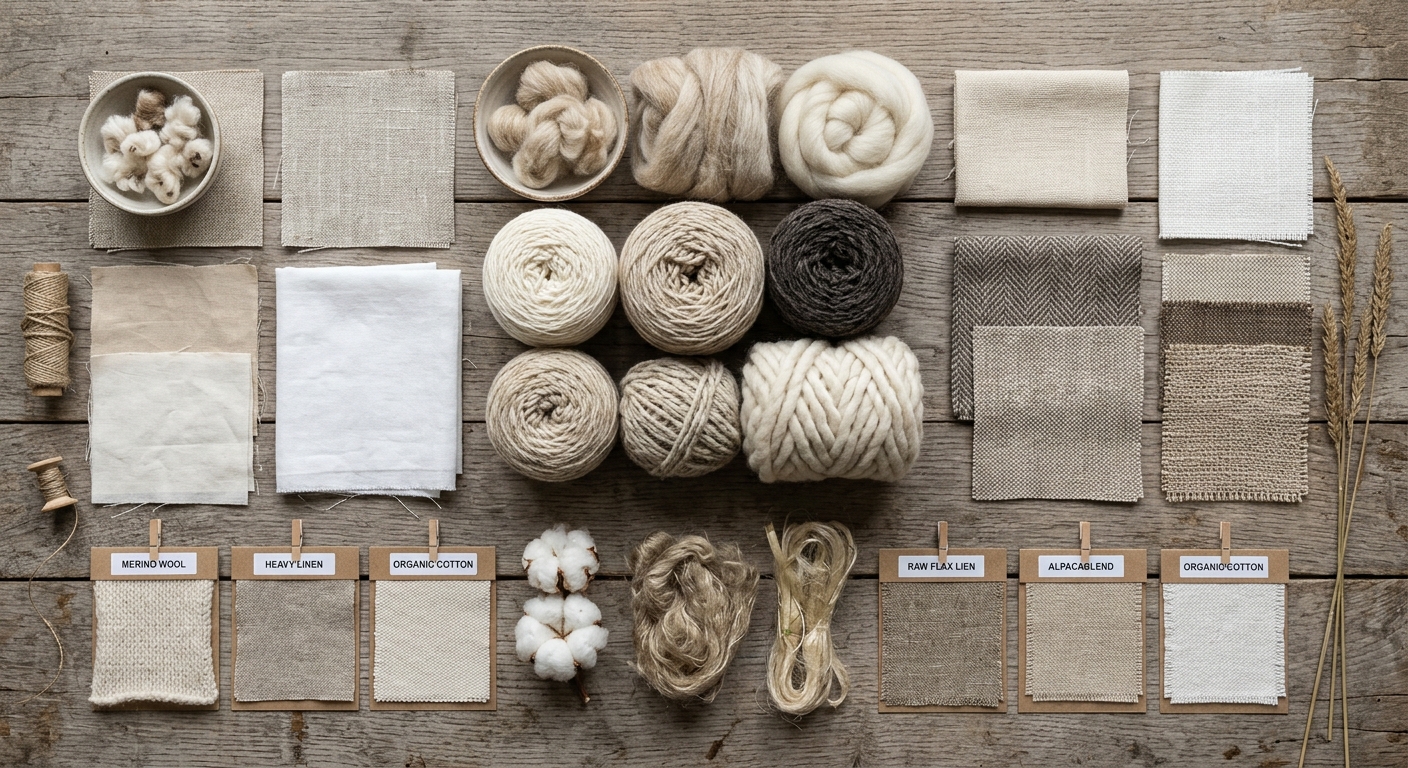
A complete guide to the natural fibers we use at Vaino Wear — their properties, benefits, and best uses.
Read More→