traditionknittingestonia
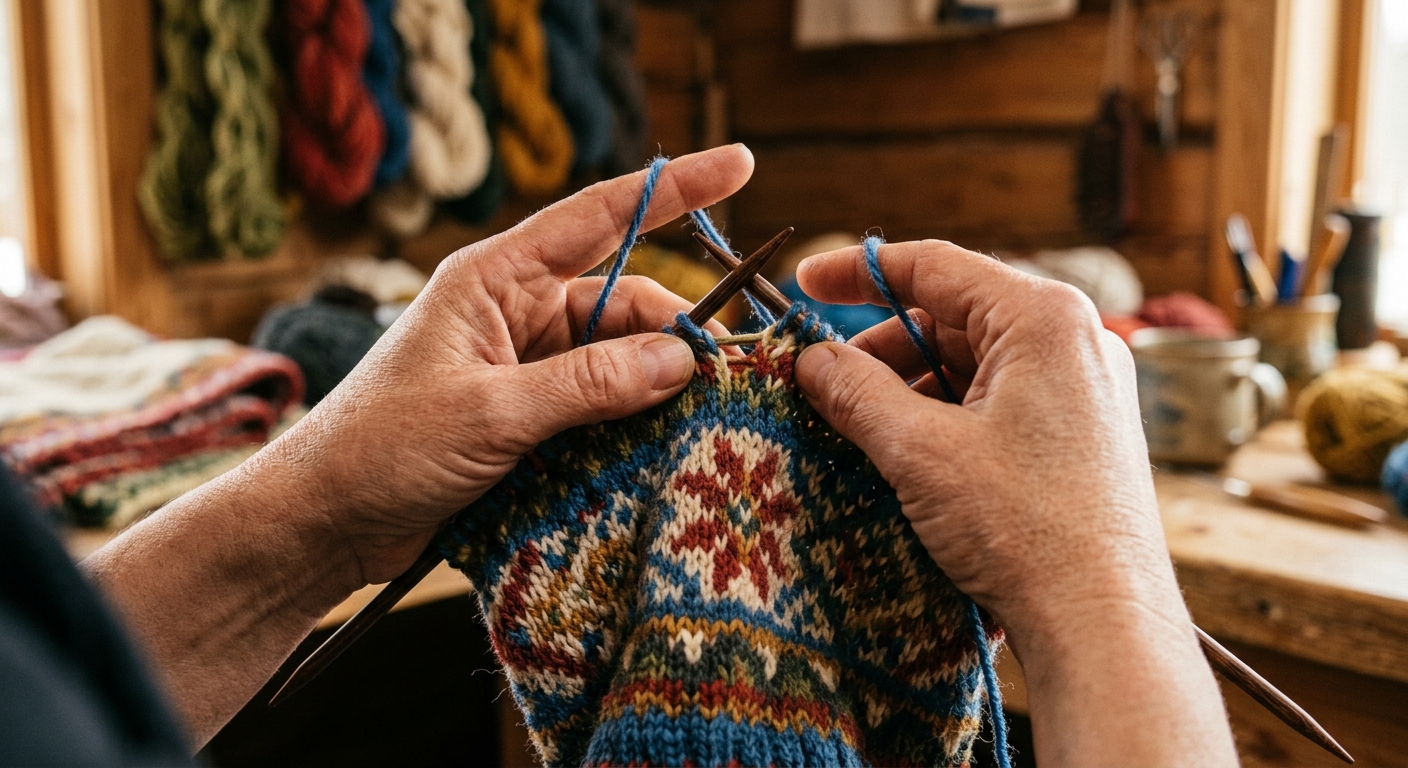
The Art of Estonian Hand Knitting: A Tradition Worth Preserving
Discover the rich history of Estonian hand knitting, from ancient patterns to modern interpretations of this beloved craft.
Read More→
The best wool hat for winter is one made from a fine, dense knit that covers your ears fully, fits snugly without pressing, and uses a fibre that suits your skin: merino if you are sensitive, alpaca if you feel the cold badly, and traditional wool if you want a hard-wearing hat for wind and wet snow. Get those three things right (fibre, knit and fit) and a single knitted hat will keep you warm through a Nordic winter for many years.
Below is how we think about it in our workshop in Loksa, on the north coast of Estonia, where a good hat is not an accessory between November and March. It is equipment.
You may have heard that "most of your body heat escapes through your head". That old claim is exaggerated. Your head loses heat at roughly the same rate as any other uncovered part of the body. The real point is that your head is usually the part left uncovered, and the face, ears and scalp are rich in blood vessels close to the skin. Leave them bare in a sea wind at minus ten and you will feel cold everywhere, however good your coat is.
Wool is the natural answer for three reasons:
The fibre decides how the hat feels, how warm it is and how long it lasts. Here is the honest comparison.
Merino fibres are very fine, usually around 17 to 24 microns, so they bend away from the skin instead of prickling it. This is the fibre to choose if regular wool makes your forehead itch, for children, and for anyone who wears a hat for long hours. A merino hat is light, breathable and comfortable from a cold morning walk to a ski trail. We explain the fibre in more depth in our post on merino wool benefits.
Alpaca fibre is partly hollow, which makes it noticeably warmer for its weight than sheep's wool. It is also silky and contains no lanolin, so people who react to lanolin often tolerate it well. The trade-off is that alpaca is heavier and stretchier, so an alpaca hat works best with some ribbing or a blend that helps it keep its shape. Choose it if you are always the coldest person in the room.
Wool from local breeds is thicker and a little more rustic. It is not the softest against bare skin, but it is extremely durable, sheds wind well and keeps its shape for years. This is the classic hat for fishermen, farmers and anyone who spends real time outdoors. If you love the warmth but find it scratchy on the forehead, look for a hat with a merino or cotton band on the inside.
Two hats in the same yarn can be completely different in warmth. What to look for:
A hat that is too loose lets wind in at the ears. A hat that is too tight gives you a headache and feels itchy even in the softest yarn.
Not every day needs the same coverage.
Many people in Estonia own all three and pick by the weather forecast each morning.
A machine-made hat from a fast-fashion shop often uses short fibres blended with acrylic, knitted loosely to save yarn. It pills within weeks and stretches out of shape by spring. A hand-knitted hat is made with the stitch tension adjusted by hand, often with reinforced brims, and in pure natural fibre. With gentle care it will keep its shape and warmth for many winters, and if a stitch ever breaks, it can be mended.
A few simple habits help it last:
At Vaino Wear, every hat, headband and balaclava is knitted by hand in Loksa from merino, alpaca or traditional wool, in sizes for adults and children. If you are not sure which size to choose, write to us with your head measurement and we will help you pick.
Browse our hand-knitted hats and winter accessories and find the one you will reach for every cold morning.
Discover the rich history of Estonian hand knitting, from ancient patterns to modern interpretations of this beloved craft.
Read More→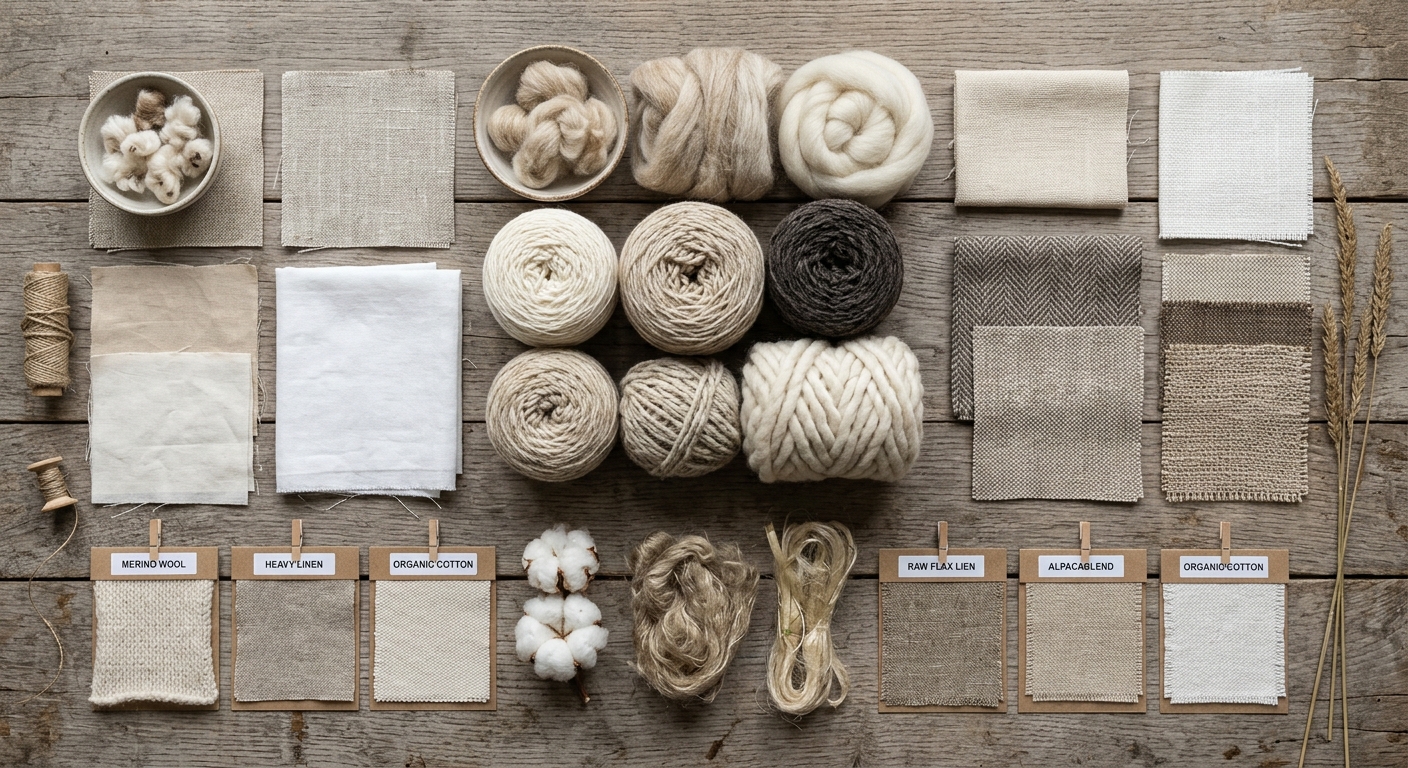
A complete guide to the natural fibers we use at Vaino Wear — their properties, benefits, and best uses.
Read More→